Showing posts with label montesorri kindergarten. Show all posts

Monday, November 27, 2023

Simple December Craft Ideas That Build Self-Confidence in Kindergarten

Simple December Craft Ideas That Build Self-Confidence in Kindergarten


As December unfolds, the holiday season offers an opportune time for Montessori kindergarten children to engage in simple yet enriching craft activities that celebrate the festive spirit and build self-confidence. These five December craft ideas are designed to nurture creativity and build self-confidence.

Snow Globe Ornaments

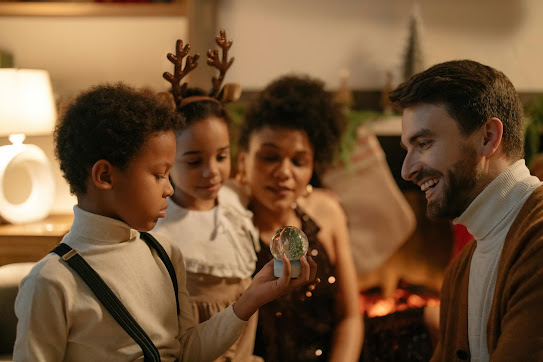
Snow globe ornaments offer a magical craft activity that allows Montessori kindergarten children to create their miniature winter wonderlands. This project not only introduces them to the concept of snow globes but also provides a tangible result they can proudly display.

Implementation:

  • Materials Needed - Clear plastic or glass ornaments, white paint or fake snow, small holiday-themed figurines, ribbon, and glue.
  • Instructions - Have children decorate the inside of the ornament with white paint or fake snow. After it dries, place a small holiday figurine inside, glue the ornament shut, and decorate the outside with ribbon.

Learning Outcomes:

  • Spatial Awareness - Assembling the miniature scene inside the ornament enhances spatial awareness.
  • Displaying Creativity - Children take pride in creating tangible, decorative items for display.

Reindeer Headbands

Crafting reindeer headbands provides Montessori children with the opportunity to make festive wearable art that showcases their creativity. This simple craft engages both fine motor and imaginative skills.

Implementation:

  • Materials Needed - Brown construction paper, googly eyes, red pom-poms, and glue.
  • Instructions - Help children trace and cut out antlers from brown construction paper. Then, attach the antlers, googly eyes, and a red pom-pom for the nose to create reindeer headbands.

Learning Outcomes:

  • Fine Motor Coordination - Tracing and cutting contribute to fine motor skill development.
  • Pride in Personalized Accessories - Children proudly wear their self-made headbands, showcasing their creative efforts.

Winter Collage Art

Winter collage art allows kindergarteners to explore their creativity through a variety of materials, fostering self-expression. This open-ended craft encourages children to experiment with different textures and shapes.

Implementation:

  • Materials Needed - Magazines, colored paper, cotton balls, glue, and markers.
  • Instructions - Provide a variety of materials and encourage children to create winter-themed collages. They can cut out pictures from magazines, tear paper into shapes, or glue cotton balls to represent snow.

Learning Outcomes:

  • Creative Expression - Collage art allows children to express themselves using a variety of materials.
  • Individualized Artwork - Each child's collage is a unique representation of their creative choices, fostering a sense of individuality.
These simple December craft ideas provide kindergarten children with opportunities to express themselves creatively while building confidence in themselves. Each activity engages young learners in a joyful exploration of the holiday season.

4  Important Reasons It is Critical to Promote Retention Over Winter Break

4 Important Reasons It is Critical to Promote Retention Over Winter Break


As winter break approaches, the allure of relaxation and holiday festivities often takes center stage. However, maintaining academic momentum during this time is crucial for students' continued success. Promoting retention over winter break not only reinforces previously learned concepts but also sets the stage for a smoother transition back into the Montessori kindergarten.

1. Upholding Educational Gains

One of the primary reasons to promote retention over winter break is to prevent learning loss. Extended breaks can lead to a decline in academic skills and knowledge, commonly known as the "summer slide" when referring to longer breaks. By engaging in educational activities, reviewing materials, or participating in targeted exercises, Montessori students can combat this decline and return to school with their educational gains intact.

2. Positive Reinforcement

Retaining knowledge over the winter break contributes to students' confidence and motivation. When students realize they remember and understand previously learned material, it fosters a sense of accomplishment and reinforces their belief in their academic abilities. This positive reinforcement can be a powerful motivator for continued engagement and success in the Montessori classroom.

3. Facilitate a Smooth Return to Learning

The period immediately following winter break can be challenging for students as they readjust to the academic routine. Promoting retention over the break helps ease this transition. Students who have engaged in educational activities are better prepared to resume their studies, as they have maintained a mental connection with the material.

4. Instill a Growth Mindset

Promoting retention over winter break contributes to the development of lifelong learning habits. By instilling a growth mindset that values continuous learning, students are more likely to approach their education with curiosity and enthusiasm. Consistent engagement in educational activities during breaks fosters the belief that learning is a year-round endeavor to:
  • Encourage Curiosity - Inspire students to explore topics that genuinely interest them.
  • Connect Learning to Real Life - Demonstrate how academic concepts relate to real-world situations.
  • Create Lifelong Learners - Students develop a mindset that values learning beyond the classroom setting.
Promoting retention over winter break is a strategic investment in students' academic success and overall learning habits. By addressing the potential for learning loss, building confidence and motivation, facilitating a smooth return to learning, and nurturing a growth mindset, educators and parents can contribute to the sustained educational momentum of students. Winter break then becomes not only a time for rest and celebration but also an opportunity to reinforce the foundations of knowledge and foster a lifelong love for learning.

Monday, September 25, 2023

How Can Parents Help Private Kindergartners Develop Effective Self-Regulation?

How Can Parents Help Private Kindergartners Develop Effective Self-Regulation?


Private kindergarten is a critical stage in a child's development, and the ability to self-regulate is a fundamental skill that sets the foundation for future academic and personal success. Parents play a pivotal role in helping their private kindergartners develop effective self-regulation. Consider the following effective strategies that support this crucial aspect of their growth.

Model and Teach Emotional Awareness

Emotional awareness is the cornerstone of self-regulation in Montessori kindergarten. Parents can start by modeling emotional intelligence themselves. Discuss your own emotions and how you manage them in various situations. Share stories about your feelings and experiences, emphasizing the importance of recognizing and expressing emotions. It is important to encourage your kindergartner to do the same. Ask questions like, "How are you feeling right now?" or "Can you tell me why you're feeling this way?" This fosters self-awareness and helps them understand that it's okay to have emotions.

Establish Predictable Routines and Boundaries

Consistent routines and clear boundaries provide a sense of security and help children understand expectations. Create a daily schedule that includes designated times for activities like homework, play, and bedtime. Explain the importance of following routines and how they help them manage their day.
Be firm yet nurturing when it comes to boundaries. Kindly enforce rules and consequences while explaining the reasons behind them. You should also encourage your kindergartner to take responsibility for specific routines, such as tidying up their toys or getting ready for bed. This fosters a sense of independence and reinforces the concept of self-regulation.

Promote Problem-Solving and Decision-Making

Problem-solving and decision-making are vital components of self-regulation. Encourage your kindergartner to think critically and make choices independently whenever possible. Present them with age-appropriate dilemmas and ask open-ended questions to guide their decision-making process.

When conflicts arise, involve your child in finding solutions. Ask questions like, "How do you think we can resolve this issue?" This collaborative problem-solving approach empowers them to take an active role in managing conflicts and making choices.

Additionally, praise your kindergartner for their efforts in self-regulation. Celebrate their successes and acknowledge their progress. Positive reinforcement boosts their confidence and motivation to continue developing these essential skills.

Helping private kindergartners develop effective self-regulation is a collaborative effort between parents and children. By modeling emotional awareness, establishing predictable routines and boundaries, and promoting problem-solving and decision-making, parents provide valuable guidance and support. These strategies empower kindergartners to navigate their emotions, make choices, and develop the self-regulation skills needed for a lifetime of success and well-being.