Showing posts with label montessori education. Show all posts

Monday, November 27, 2023

Simple December Craft Ideas That Build Self-Confidence in Kindergarten

Simple December Craft Ideas That Build Self-Confidence in Kindergarten


As December unfolds, the holiday season offers an opportune time for Montessori kindergarten children to engage in simple yet enriching craft activities that celebrate the festive spirit and build self-confidence. These five December craft ideas are designed to nurture creativity and build self-confidence.

Snow Globe Ornaments

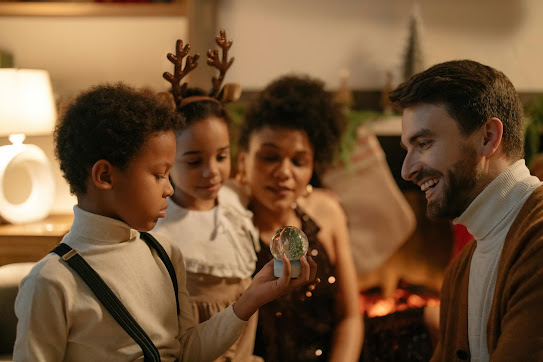
Snow globe ornaments offer a magical craft activity that allows Montessori kindergarten children to create their miniature winter wonderlands. This project not only introduces them to the concept of snow globes but also provides a tangible result they can proudly display.

Implementation:

  • Materials Needed - Clear plastic or glass ornaments, white paint or fake snow, small holiday-themed figurines, ribbon, and glue.
  • Instructions - Have children decorate the inside of the ornament with white paint or fake snow. After it dries, place a small holiday figurine inside, glue the ornament shut, and decorate the outside with ribbon.

Learning Outcomes:

  • Spatial Awareness - Assembling the miniature scene inside the ornament enhances spatial awareness.
  • Displaying Creativity - Children take pride in creating tangible, decorative items for display.

Reindeer Headbands

Crafting reindeer headbands provides Montessori children with the opportunity to make festive wearable art that showcases their creativity. This simple craft engages both fine motor and imaginative skills.

Implementation:

  • Materials Needed - Brown construction paper, googly eyes, red pom-poms, and glue.
  • Instructions - Help children trace and cut out antlers from brown construction paper. Then, attach the antlers, googly eyes, and a red pom-pom for the nose to create reindeer headbands.

Learning Outcomes:

  • Fine Motor Coordination - Tracing and cutting contribute to fine motor skill development.
  • Pride in Personalized Accessories - Children proudly wear their self-made headbands, showcasing their creative efforts.

Winter Collage Art

Winter collage art allows kindergarteners to explore their creativity through a variety of materials, fostering self-expression. This open-ended craft encourages children to experiment with different textures and shapes.

Implementation:

  • Materials Needed - Magazines, colored paper, cotton balls, glue, and markers.
  • Instructions - Provide a variety of materials and encourage children to create winter-themed collages. They can cut out pictures from magazines, tear paper into shapes, or glue cotton balls to represent snow.

Learning Outcomes:

  • Creative Expression - Collage art allows children to express themselves using a variety of materials.
  • Individualized Artwork - Each child's collage is a unique representation of their creative choices, fostering a sense of individuality.
These simple December craft ideas provide kindergarten children with opportunities to express themselves creatively while building confidence in themselves. Each activity engages young learners in a joyful exploration of the holiday season.

Tuesday, October 31, 2023

4 Key Reasons Montessori Should Be Part of The Home Experience Too

4 Key Reasons Montessori Should Be Part of The Home Experience Too


The Montessori educational philosophy has gained worldwide recognition for its child-centered approach and emphasis on individualized learning. While Montessori schools provide an excellent preschool environment for children to thrive, many parents are now integrating Montessori principles into their home experiences. There are several compelling reasons why Montessori should be a part of the home environment as well.

1. Fostering Independence and Self-Reliance

One of the core tenets of Montessori preschool is to encourage independence and self-reliance in children. This principle is highly relevant in the home environment, as it equips children with valuable life skills and helps them become self-sufficient. This includes tasks like dressing, preparing simple meals, and tidying up their living spaces.

2. Individualized Learning and Interest-Based Exploration

Montessori education emphasizes individualized learning and allows children to explore their interests at their own pace. This approach can be extended to the home environment, enabling parents to adapt the curriculum to their child's unique needs and interests. This might involve setting up a designated reading corner with a wide selection of books or creating art and science stations that allow children to explore their creativity and curiosity.

3. Respect for the Child's Choices and Preferences

In Montessori, children are encouraged to make choices within a prepared environment. This approach is rooted in respect for the child's autonomy and natural inclinations. The home experience can further enhance this respect for children's choices and preferences. Provide a range of activities, materials, and experiences at home and allow their children to select what interests them most.

4. Promoting a Love for Learning

Montessori education places a strong emphasis on cultivating a love for learning. By bringing Montessori principles into the home, parents can create an environment where learning is seen as an enjoyable and integral part of life.

Parents can establish routines that include designated periods for exploration, creativity, and intellectual pursuits.

Incorporating Montessori at home doesn't require a fully equipped Montessori classroom or specialized training. It's about embracing the fundamental principles and adapting them to the home environment. Here are some ways you can provide a prepared environment at home:
  • Provide Open-Ended Materials
  • Encourage Practical Life Skills
  • Observe and Follow the Child
  • Respect Independence
  • Promote a Love for Nature
  • Encourage Communication
Integrating Montessori principles into the home experience offers numerous benefits, from fostering independence and self-reliance to promoting a love for learning and respecting the child's choices and preferences. By creating an environment that aligns with Montessori philosophy, parents can further support their child's development and instill lifelong values that extend beyond the classroom.

Wednesday, August 30, 2023

How Parents Can Role Model As a Behavior Strategy for Their Children

How Parents Can Role Model As a Behavior Strategy for Their Children


Parents play a pivotal role in shaping their kindergarten children's behavior and character. Beyond verbal instructions, children often learn through observation and imitation. When parents model positive behavior, they create a strong foundation for their children's development. Today we will look at how parents can effectively serve as role models to shape their children's behavior, fostering values, empathy, and social skills that will serve them well into adulthood.

Demonstrating Respect and Empathy

Parents who exhibit respect and empathy toward others model compassion and consideration. Children learn the importance of valuing diverse perspectives, showing kindness, and being empathetic listeners. By observing their parents' interactions, Montessori kindergarten children grasp the significance of treating others with dignity and respect.

Conflict Resolution

Parents often encounter conflicts, and how they navigate them greatly influences their children. When parents resolve conflicts through open communication, active listening, and compromise, children learn constructive ways to manage disagreements. Witnessing parents handle conflicts teaches children that conflicts are natural and can be resolved without aggression.

Handling Stress and Resilience

Life brings challenges, and parents who manage stress and adversity constructively model resilience. Children observe how their parents cope with setbacks, showing them that setbacks are part of life and can be overcome with determination and a positive outlook. This teaches positive stress management and self-control.

Mindful Technology Use

In today's digital age, parents can demonstrate healthy technology habits. Setting boundaries on screen time, prioritizing face-to-face interactions, and engaging in screen-free activities helps parents teach children the importance of balancing online and offline life. Technology is important for today's children, but it is essential that they learn to control its influence over them.

Civic Responsibility

Parents who engage in community service or advocate for social causes teach children the value of civic responsibility. Parents become role models for active participation and show that contributing to society can be rewarding. In Montessori education, this is a crucial part of learning to be tomorrow's successful leaders.

Healthy Lifestyle Choices

Parents who prioritize health through balanced diets and regular exercise instill valuable habits. Children are more likely to adopt healthy lifestyles when they see their parents making nutritious food choices and staying active.

Parents wield immense influence in shaping their children's behavior. By being mindful of their actions, parents create an environment where positive behavior is not just taught but ingrained. Children raised by role models who exemplify these qualities are better equipped to navigate the complexities of life with integrity, empathy, and resilience.
Why is It Important to Enroll Your Child in Montessori Development?

Why is It Important to Enroll Your Child in Montessori Development?


Choosing the right learning path for your child is a crucial decision that significantly impacts their development. Preschool education stands as a unique and effective approach that nurtures children's holistic growth. Education is not just about acquiring knowledge; it's about shaping a child's character, independence, and a lifelong love for learning. Montessori education offers an approach that resonates with these principles.

Fostering Independence and Self-Discipline

Montessori preschool classrooms empower children to take ownership of their learning journey. The preschool environment is carefully structured to promote independence, where children select activities that resonate with their interests. This approach fosters self-discipline, decision-making skills, and a sense of responsibility.

Hands-On Learning and Experiential Education

Montessori education emphasizes learning through experience. Children engage in hands-on activities that allow them to explore concepts through their senses. This approach not only enhances comprehension but also ignites curiosity and creativity.

Individualized Learning Pathways

In Montessori classrooms, teachers recognize that each child is unique. The curriculum is tailored to cater to individual learning styles and paces. This personalized approach ensures that children are neither held back nor rushed, fostering a sense of competence and confidence.

Focus on Practical Life Skills

Montessori education integrates practical life skills into the curriculum. Children learn everyday tasks like pouring, tying shoelaces, and cleaning, which not only cultivate independence but also develop fine and gross motor skills.

Promoting a Love for Learning

Montessori classrooms create an environment where learning is an enjoyable pursuit, not a chore. Children are encouraged to explore subjects that captivate their interest, sparking a passion for lifelong learning.

Respect for Diversity and Collaboration

Montessori education celebrates diversity and encourages collaboration. Children from various backgrounds learn to respect and appreciate differences, promoting a harmonious and inclusive environment.

Cultivating a Strong Work Ethic

The Montessori approach promotes a strong work ethic by allowing children to set goals and experience the satisfaction of achieving them. This sets the stage for future academic pursuits and professional endeavors.

Enrolling your child in Montessori education offers an array of benefits that extend far beyond traditional learning methods. By fostering independence, providing experiential education, tailoring learning pathways, emphasizing practical life skills, nurturing a love for learning, promoting diversity and collaboration, and cultivating a strong work ethic, Montessori education lays the foundation for well-rounded individuals. This approach not only equips children with academic knowledge but also nurtures essential life skills and values. The decision to enroll your child in Montessori education is an investment in their holistic growth and future success.

Tuesday, February 28, 2023

Why is it Important for Parents to Attend Montessori School Conferences?

Why is it Important for Parents to Attend Montessori School Conferences?


Parent conferences at a private middle school may be quite different than the traditional PTA meetings of the past. Montessori is an observational system, so maintaining a line of contact between the Montessori triad-- children, parents, and teacher-- is critical for the success of the child. Here are some of the most important reasons why parents need to be in the loop.

Performance Updates

Montessori middle school conferences are an opportunity for parents to receive updates on their child's academic and social progress. Teachers can share insights into the child's strengths and areas for improvement, as well as offer suggestions for supporting their learning at home. This is a great opportunity to talk about new skills your child is learning, subjects she is showing interest in, and problems or achievements she has talked about at home.

Understand the Montessori Method

Montessori education is a unique approach that may be unfamiliar to some parents. Attending conferences can help parents gain a deeper understanding of the Montessori philosophy and how it is applied in the classroom. Furthermore, Montessori is not intended as a school-based program alone, so parental involvement can be a huge developmental boost for children.

Parent-Teacher Relationships

Montessori conferences are a chance for parents to build a relationship with their child's teacher. This can help create a partnership between the parent and teacher, which is beneficial for the child's education. In some cases, unwanted behavior patterns can be curtailed by a simple show of solidarity between parents and teachers so that the child understands both parties are on the same team: the child's team.

Build Community

Conferences provide an opportunity for parents to connect with other Montessori parents. This can create a sense of community and provide a support network for parents to share ideas and experiences. One of the tenets of Montessori is to produce great future citizens, but that is also affected by the observations children make of how their parents interact.

Overall, attending Montessori conferences is an important way for parents to stay informed and involved in their child's education, and to support their child's growth and development both inside and outside of the classroom.

Tuesday, January 31, 2023

3 Leading Philosophies of the Montessori Method in Middle School

3 Leading Philosophies of the Montessori Method in Middle School


From daycare through middle school, Montessori students play the leading role in their education. Instead of lecturing the class as a group, teachers observe children's progress and guide them toward successful goals. The end goal is to build tomorrow's strong leaders, with the academic, social, and physical skills necessary to be whatever they wish.
 

1. Self-Directed Work

A Montessori middle school engages children in hands-on work that has value. Children select their own work, using self-correcting activities, performing experiments, and more. This freedom to choose for themselves means that children take a more active role in their own projects. Guiding without dictating is at the heart of the Montessori Method, whether the children are developing critical thinking skills with science activities or discovering the mathematics of geometry.

2. Responsibility and Self-Esteem

Respect for the child is one of the prime directives of Montessori. Middle school kids are not subordinate human beings, but members of a globe-spanning human family. Everyone has a right to believe, and to be heard, and this helps each child develop self-esteem, positive social skills, and the confidence necessary to not only think, but to act, for themselves.

3. Time to Learn

The Montessori school day is not broken into many small parts the way it is done in traditional public schools. Instead, children have extended period lengths, and typically remain in one class for most of the day. The idea is that unbroken lengths of time allow children more opportunities to work with concepts and projects, leading to improved retention of information, and a vibrant interest in the learning process.

Children are the most important part of a Montessori education. By providing them with a framework of expectations and the freedom to pursue individual accomplishments, children develop intrinsic motivation. This internal drive to achieve and discover is vital to the process, and why Montessori students are able to play such an active role in what and how they learn.

Wednesday, September 28, 2022

5 Simple Steps to Help Your Kindergarten Child Read at Home

5 Simple Steps to Help Your Kindergarten Child Read at Home


Reading is an important academic development for private kindergarten students. But reading is not limited to school studies. The steps that parents take to assist children in achieving a fondness for reading are a continuation of the educational process that will pay off in the years to come.

1. Adequate Access


Providing a prepared environment for children is just as important at home as in the Montessori kindergarten. Even if you aren't able to provide a separate space, you can still do things such as putting a selection of appropriate reading material on the lower levels of a bookshelf, hanging pictures and artwork at your child's eye level and providing an area where everything is built to the scale of a child.


2. Practice Everywhere


The opportunity to read is all around us. Box labels, TV screens, and billboards are all opportunities for a child to practice reading, build a stronger vocabulary, and learn how language is entwined with everything they do. Practice helps children refine their skills, and often encourages them to read more.


3. Role Modeling


When your children observe you reading a book, they infer that reading is an appropriate activity. In fact, you may notice children imitating you by pretending to read books or magazines that are far above their reading ability solely because they have witnessed you reading the same material. When parents spend a little time each day reading with their kids it shows them that they are excited by reading as well.


4. Word Play


Reading begins with individual words, not full sentences. Play word games with your young children that introduce them to new words, and explore how the words are spelled, pronounced, and used in sentences. Simple games like Word of the Day are a good place to start and help children develop a strong vocabulary.


5. Let's Find Out


Children have a myriad of questions about everything from animals to why it rains, and each question is an opportunity to engage them in reading. Help your child look up the answers to their questions, and go over the answers with them. Once a child understands that books and words hold the answers to some of their most pressing questions, they will become more interested in using books and developing a larger vocabulary.

Childhood development is a long-term investment in children's futures-- and the communities in which they live. When parents take steps to assist the ability to read, the results are children who are more engaged in their own education and more interested in the magic and mystery found in books.

Friday, July 29, 2022

Montessori Elementary School and Its Influence

Montessori Elementary School and Its Influence


In 1907, Maria Montessori opened the first Casa de Bambini, or Children's House. Since then, Montessori education has spread around the planet and is now used in thousands of schools on every continent. From daycare to middle school and beyond, Maria Montessori has left a lasting legacy that is slowly changing how children are taught.

Hands-On Learning

Private middle school uses hands-on activities as the primary form of instruction. These activities are engaging and self-correcting, allowing children to build confidence and self-esteem by correcting their own mistakes. Play-based learning is gaining popularity in more traditional educational systems today, but it has always been a critical aspect of the Montessori Method.

Child Centric Development

The children themselves, not the subject being taught, are always at the forefront of the Montessori Method. From developing fine and gross motor skills to helping children develop strong language and writing skills, the focus is on each child, not on keeping the whole class working on the same lesson at the same time.

Discipline Without Punishment

Montessori does not use threats or physical punishment to maintain discipline. Instead, children learn that appropriate behavior is valued, and straying from that behavior results in unwanted consequences such as going into timeout, being left out of engaging group activities, and more. Children learn to act in preferential ways because they want to be meaningful members of the group, not because they are afraid of being punished.
 

Leadership Through Confidence

At the heart of the Montessori Method is a child who is self-confident, aware of how their actions affect others, and personally invested in their own educational progress. Maria Montessori recognized that children who feel good about themselves are more willing to do good things for others, take risks, and apply themselves to solving problems and reaching goals.

A Dynamic Triad

There are 3 major factors in Montessori education. The first and most important part is the child, but the adults-- generally parents and educators-- form an equally valuable aspect. The triad is rounded out through a carefully prepared environment that regulates activities and guides progress without hampering the individual freedoms of the children it serves. To be successful, the Montessori Method requires all 3 aspects to be present and work in unison for the good of the individual child.

Not every aspect of the Montessori Method is available in traditional schools and the name Montessori is not trademarked. Before you enroll your children in a school that claims to be Montessori, take the time to verify that you are working with an authentic Montessori facility.

Tuesday, July 19, 2022

5 Fun Summer Snacks That Preschoolers Can Help Prepare

5 Fun Summer Snacks That Preschoolers Can Help Prepare


Snack time is a great opportunity to keep daycare children engaged. Instead of preparing those snacks for the little ones, enlisting their assistance promotes activity, encourages critical thinking, and offers an opportunity to work on practical skills that impart real-world experience. These 5 snack ideas were selected because they offer all of these benefits-- and taste great as an added bonus.

 1. Snack Cracker Sandwiches

This fun snack time activity helps Montessori daycare children learn to identify shapes, gives them experience with cutting, and offers a healthy snack that is high in protein and low in sugar. Start with snack crackers that have different shapes such as round, square, and rectangular. Have your child slice lunch meats and cheeses to fit the cracker shapes. It's OK to place the meat and cheese on top of a cracker and trim around the edges at first, progressing to free-hand cutting with practice.

 2. Fun Fruits

Fresh fruits provide essential summertime hydration, tasty snacks, and ample opportunity for slicing (with a butter knife!), sorting, and counting. You can use any fruits you or your child wish to use, and the activity can also include as-you-go lessons on food origins, cultural favorites, and more. From bananas to watermelon, there are many types of fruits available, and each one has its own texture, flavor, and story to be told.

 3. Celery Dip Activity

As a practical experience, slicing and dethreading celery prior to eating it are excellent for helping children develop fine motor skills. Once the celery is prepared, put small amounts of various "dips" such as ranch dressing, peanut butter, or onion dip on a dish for dipping.

 4. Fancy PB&J

Peanut butter and jelly sandwiches are among the most common lunch and snack meals for small children, but their usefulness in developing fine motor skills and gaining important household experience are often overlooked. Allow your little ones to spread their own peanut butter and jelly or jam, and then coach them in carefully cutting away the outer crust.

 5. Yogurt Popsicles

Yogurt popsicles are one of the simplest snacks your child can make. All you need is one or more favorite flavors of yogurt, some popsicle cups and sticks, and a spoon. Using the spoon, have your children pack the popsicle cups, place a popsicle stick in the end, and freeze the cups for a least an hour before serving. You can introduce other variables if you wish, such as adding fruit, having popsicle taste tests, and more.

Inclusion is an important part of early development, and allowing your kids to help you with repairing snacks is an inclusive activity with many benefits. You may have to do most of the work at first, but children learn quickly and will be able to prepare their own fun snacks after only a few tries.

Monday, January 31, 2022

5 Ideas for Getting Your Picky Eater to Try New Foods in Daycare

5 Ideas for Getting Your Picky Eater to Try New Foods in Daycare


It is not unusual for children to enter the Montessori daycare environment with an existing aversion to trying new things. With a little planning, this predisposition can be overridden, and that has the potential to lead to a child who is willing to try any new food, and even eager to learn more about it.

       1.  Be a Role Model

If you want your children to eat a wide variety of food, the best advice is to be just as adventurous as you want your kids to be. Parents and teachers are important role models for small kids, and they have a tendency to mimic what they see their role models do.

       2. Experiment With Food Traits

One of the more successful food tasting games involves "experimenting" with foods that share common traits. It may be the color, or foods with similar tastes or smells or shapes, or pretty much any comparison you care to name. Once she has tried the food in question, ask her to describe what she likes or dislikes about it

        3. Tasting Games


Tasting games can be a lot of fun. Whether it is a simple blindfolded taste test, or some other game like having the other kids describe what they think something tastes like by watching the reaction of the taster, food tasting games turn trying new foods into a fun experience.

        4. Origins of Foods

Your kids may be surprised to find out that their most-- and least-- favorite foods have origins in the far places of the world. Learning where new foods come from is a great way to convince them to give them a try. From butter beans to white rice, there is a whole world of food origins to explore.

        5. The Bad With the Good

Even foods that your children definitely do not like may become more interesting with a few creative add-ons. Trying things like serving asparagus with a cheese sauce or adding grapes or pineapple to salad may be all it takes to turn their dislikes into favorites.

In many cases, children have already been conditioned to automatically dismiss foods they aren't familiar with. The good news is that young kids are naturally curious and they are willing to give almost anything a try if you take away their unfounded prejudice against it.
4 Effective Examples of Hands-On Learning in Preschool

4 Effective Examples of Hands-On Learning in Preschool

Hands-on learning is a fundamental part of an authentic Montessori preschool education. Children learn by doing things, manipulating objects, and practical life experiences. Through play-based activities, children build vocabularies, learn about the sciences, discover language skills, and begin to learn about a variety of math concepts. To illustrate the importance of play-based learning, these 4 types of activities are great examples

       1. Authentic Activities

Montessori activities such as the Pink Tower or Binomial Cubes are designed specifically to be manipulated by young minds and hungry minds. Authentic activities teach fundamental critical thinking skills, promote the development of fine motor skills, and provide the tools for a variety of math skills.

        2. Discovery Bottles

Discovery bottles are containers that contain various things. The purpose of a discovery bottle is to teach a child stimulating their interest or providing them with workable knowledge. Discovery bottles can be used to engage a child's senses and may include sound, sight, taste, scent, and touch. As children manipulate the containers, they are building fine motor skills, and the items in each container encourage critical thinking.

       3. Movement Activities

Gross motor skills are necessary for running, jumping, and climbing. Activities like dancing that require moving about encourage these skills to develop, building muscle tone, bone structure, and stamina. Gross motor skill development is one of several reasons that Montessori students spend so much time outdoors instead of in a closed room.

      4. Outdoor Activities

There are Montessori-style outdoor activities to fill many educational pursuits. Identifying insects or types of leaf involves scientific methods, building a blanket fort involves critical thinking skills and gross motor skills, and simple games of tag involve social interaction, critical thinking, gross motor skills, and more.

Hands-on learning has been shown to increase retention and encourage children to use the activities more regularly. Instead of providing a string of information in an impartial manner, hands-on activities give children a chance to wrap their hands-- and heads-- around real-life examples and practical exercises.

Thursday, December 30, 2021

Is Montessori Preschool a Good Fit for Your Child?

Is Montessori Preschool a Good Fit for Your Child?


Authentic Montessori preschool is a good fit for a wide variety of children, but not every school that bears the name adheres to the Montessori Method. To illustrate what makes Authentic Montessori special, it helps to look at a few of the facets of childhood development that the system is designed to enhance.

The Origins of Montessori


Maria Montessori was one of Italy’s earliest female physicians, and she began developing the Montessori Method in relation to an assignment to educate children with learning disabilities. She opened Casa dei Bambini in 1907, a name that is still used today: The Children’s House.b Focused on the development of all aspects of early childhood, Montessori schools have spread around the world, typically focused on early childhood development.

Hands-On Learning

Montessori uses special learning materials that incorporate movement and choice into other activities. In research, Hands-on activities have been shown to boost learning speed and provide better long-term retention of lessons. And because activity is involved in the learning process, children are also increasing gross and fine motor skills as social skills develop through interaction with other students and teachers.

Multi-Age Classes


The multi-aged classrooms found in authentic Montessori schools were seen as a necessary part of the educational process by Maria Montessori. She saw how the 3-year age spread occurred naturally among children and how it could benefit various aspects of development. These benefits include self-esteem and leadership skills in the oldest children of the class, while younger students are able to learn from the example of their older peers.

Self-Paced and Self-Directed

Through their years in the Montessori environment, your children will learn to choose their own work, correct it, and to essentially take control of their own education in a carefully monitored and guided environment. This encourages the kids to be more proactive in their approach to solving problems, and builds a sense of self=worth as they pursue personal goals.

Montessori education empowers children to learn and interact as they develop physically and mentally. It has been shown to be effective for children at all learning levels, and has special appeal for children possessing certain learning challenges such as autism. Because it adapts to the learning speed and capabilities of the children, it is often a better system than traditional public schools.

Friday, January 17, 2020

Elementary Montessori: Successful People who Credit their Achievement to their Montessori Education

Elementary Montessori: Successful People who Credit their Achievement to their Montessori Education


For more than a century, Montessori education has played a part in teaching students to think critically, enjoy learning, and to have the courage and curiosity to take on new ideas in creative ways. Several of the most successful men in internet technology attended Montessori schools, along with performers of both genders, and even a Nobel Prize recipient.


The World’s Most Famous Diarist

When her family moved from Germany to the Netherlands in 1938, Anne Frank was enrolled in a Montessori school, where she was encouraged to learn and practice her love for writing. According to a fellow Montessori classmate, Anne enjoyed writing and was possibly headed toward a career in the field of journalism. Unfortunately, World War II erupted, and Jewish families like Anne’s were forced to flee or go underground. Today, that little girl’s diary has become one of the most harrowing descriptions of the terror and mistreatment suffered by people during the short reign of the Third Reich.


Montessori’s Effect on Technology

Quite a few of the people involved in the technology behind today’s internet attended Montessori schools in their youth and attribute at least some of their success to the Montessori method. Here are four famously successful people who have played a hand in modern technology:


·        Jeff Bezos - The founder of Amazon, a major player in online shopping, began his education in a Montessori preschool setting. Today, Jeff is among the most successful men in the world.
·        Will Wright - Will Wright learned the importance of combining play with education from the Montessori method. He would go on to design the popular SimCity games, as well as The Sims, and Spore.
·        Larry Page and Sergey Brin - The founders of Google both attended Montessori schools in their childhood. Today, their creative brainchild, Google, is consider the #1 best company to work for in Canada, and ranks #2 for the same title in the United States. Google’s unique algorithms have transformed how we search for information, use maps, and among other impacts on internet technology.


Creativity and the Montessori Method

Montessori’s focus on creativity and personal application has also led to successful roles in music and acting. Two examples of creativity inspired by the Montessori method are Sean “Puff Daddy” Combs (also known as P. Diddy), and actress Dakota Fanning, who credits Montessori education with learning to read at the early age of 2. Julia Child, a world famous cook, once said that Montessori taught her that it was okay to make mistakes so long as you never stop trying.


Montessori and People With Global Influence

Credited with influencing the direction of modern literature, Nobel Prize winner Gabriel Garcia Marquez’s autobiography discusses Montessori education and how “its teachers stimulated the five senses by means of practical exercises, and taught singing.” Montessori is also admired by royalty, such as Princess Diana’s children Princes William and Harry, as well as Prince William and Kate Middleton’s children, Prince George and Princess Charlotte.

Montessori education has a profound and lasting effect on those who attend its school, specifically starting at a young age.  Maria Montessori believed in education children with skills and lessons used throughout their lifetime, methods still used by the Montessori School of Pleasanton today.  To learn more about Montessori education and our programs, contact us today.

Tuesday, March 6, 2018

Parents: How to Support your Child's Montessori School

Parents: How to Support your Child's Montessori School


Montessori education is more of a holistic approach to learning, meaning that the methods used apply to all facets of a child’s life rather than just the academic ones. The goal is to produce children who are able to meld into society as well as become successful in academic pursuits. Parents play a large role in that and becoming familiar with the Montessori method may be the best way to support your child and his school.


Preschool Preparedness

Making sure that your children are prepared for the school day provides a lot of support to the student guides. Preschool children will be practicing being self-sufficiency in life - and the restroom. For this, they need to wear clothing they can put on and take off by themselves with little or no assistance. Similarly, shoes that they can put on by themselves makes it easier for Montessori students to transition from indoor to outside activities.

Help your children to select their school clothing the night before, eliminating early morning stress factors. This is a huge benefit in the classroom, as children who become anxious or stressed before school tend to carry the effects with them into the classroom.


Parental Participation

Parents can get involved on the personal level by volunteering to help out in the classroom, at special events, or by providing special skills that the classroom can benefit from. Parents are a tremendous asset for the school when it comes to event planning and having sufficient hands available during special functions, and they rely on parental involvement to keep it all working smoothly. Taking an active role may be the best support you can offer to your child's school, and it will have a positive impact on your children in the process.


Work as a Team

Keep in mind that your child’s school wants the same things you do, namely a well-educated child who is comfortable with social graces and responsibility. When attending parent-teacher conferences, remember that you are on the same team. When a child sees that his parents and teachers are working together, they have a tendency to react in a positive manner. Read school newsletters, ask your children about their day, and make learning an exciting experience for everyone.


Financial Support

Montessori schools need your assistance in order to pay for school improvements, class trips, and to purchase materials for the classroom. You can help with this by making donations, taking part in fundraising campaigns, or providing much needed materials to the school. Keep in mind that your contributions should be intended to help all of the children, not just your own, so plan your donations accordingly.

If you have questions about how you can support your school, don’t hesitate to ask. The best rule of thumb is that anything you can do to help the school will also benefit your children, so take a few minutes to chat with teachers and find out where and how you can provide the best support.  If you're unsure of ways to help your child's Montessori school, contact the teachers and staff at the Montessori School of Flagstaff Sunnyside Campus.  We value Montessori education and sharing that methodology with children everyday.
Learning Objectives for your Preschooler

Learning Objectives for your Preschooler

Learning objective - Montessori West


A Montessori education is a well-rounded education, and preschool is the best time to start. Unlike traditional public schools, the Montessori classroom puts an emphasis on skills the child will be able to use throughout their life, including academic subjects, real-life skills, how to interact on a social level, and the importance of personal worth. This may seem like a lot for a small child to absorb, but the Montessori approach integrates the different objectives into daily course objectives so that learning about one objective helps reinforce education about others in the process.


Basic Life Skills

Montessori is about far more than academic education, and it can be practiced in the home. Learning basic life skills gets a lot of focus in the preschool environment, including such things as using the restroom unassisted, washing hands before meals, and learning to clean up behind oneself. Mastering everyday skills like setting and clearing the dinner table helps children improve motor skills, teaching reasoning concepts and counting, and a variety of other, more abstract concepts. Teaching children how to be successful human beings is not restricted to the classroom and shouldn’t end when the school day is over.


Science, Technology, Engineering, and Math

STEM activities for young children help them become acquainted with the magic and mystery of science. While preschoolers are not expected to master rocket science, they will almost certainly be amazed by the transformation of a caterpillar into a butterfly, learning to use the technology found in the classroom, or becoming acquainted with the beauty of simple math. Preschool STEM projects may not reveal the secrets of the universe, but building hands-on, STEM-related experience may help them develop a fondness for knowledge and discovery.


Social Skills

Social interaction is vital to a happy childhood. In the Montessori classroom, care is taken to introduce children to basic etiquette and other social skills. Additionally, emphasis is put on problem solving and conflict resolution so that today’s preschoolers will be better equipped to be tomorrow’s diplomats. Sharing and working together are important skills that are crucial to the Montessori environment.


Self Esteem

Underneath the life skills, STEM activities, and social interaction, the Montessori classroom is also instilling a sense of self-worth. Children who receive praise tend to be more enthusiastic and having a high self esteem is often central to displaying care and compassion for others. It is also beneficial in helping children avoid bullying, plus the fact that once a child understands that they have the power to succeed, the doors of success are easier to open.

For the parents of young children, it is important to remember that what a child experiences in the classroom can be continued in the home. Talk to your child’s student guides about the classroom projects and look for ways to recreate similar activities in the home. If children are awake, they are learning, and it is up to everyone around them to make that an enjoyable and interesting experience.  Montessori Children's House has a Preschool and Primary program for ages 18 months to 6 years.  Our teachers work with students and parents to incorporate lessons from the school day into everyday activities.  To learn more about the Montessori method, contact our school today.


Sunday, February 18, 2018

Preschool Skills to Use Before Reading a Book

Preschool Skills to Use Before Reading a Book

Preschool Skills to Use Before Reading a Book - Montessori West


Every child learns at a different pace, and learning how to read is as unpredictable as it is important. But if you want to help your child prepare for this milestone – and continue to grow as a new reader – you can help by building some early literary skills now. After all, reading and understanding text aren’t the only skills involved in reading, and they’re not the only ways for a child to experience words and books. Pre-reading skills range from paying attention during reading time to identifying letters and numbers, and all of them help us lay an important foundation for literacy.

Here are a few early childhood literacy skills your preschooler can use before they start reading. Grab your favorite book and get started today!


Looking at Pictures & Identifying Items

Reading comprehension skills are important because kids must learn to pay attention to the details and meaning of a story. Luckily, this skill can be sharpened without even using words. Select books with colorful, clear illustrations on every page and help your child identify the most important elements. For example, your child may start by distinguishing between different colors and animals, then progress to picking out specific characters, settings, and other details.


Identifying Letters, Numbers, & Punctuation Marks

Long before kids learn how to interpret letters and words, they can tell different shapes and sizes apart. Now is a great time to start focusing on the differences between different letters and numbers, including their shape, size, and name. Start by reading alphabet books that name and describe each letter, getting your child familiar with the whole alphabet. As they learn more about the alphabet, pause during story time and ask them to identify random letters or point out the differences between capital and lower-case letters on the page.


Predicting Patterns & Plots

As you read aloud to your child, engage them in the action of the plot and encourage them to try predicting what will happen next. This helps them pay attention to plots and patterns, and it also inspires creativity and problem-solving skills by allowing them to imagine the next page. This can be as simple as pausing during story time and asking what one character should say to the next, or as complex as drawing


Telling Stories Themselves

Ultimately, reading is all about following narratives. Because strong narrative skills are helpful as your child learns to read, consider involving them in the storytelling process. After reading a book together, ask them to retell the story – or tell a story about something that happened to them. Reading repetitive books is a great starting point, because kids can rely on a predictable pattern to help them learn and retell a story. Even playing make-believe is a great way to build storytelling skills, so give your kids an opportunity to get creative.

At Montessori Children’s House, we encourage our students to embrace and enjoy reading at their own pace. Contact us to learn more about our preschool programs and see how Montessori education teaches students new skills that set the foundation for lifelong learning.


Wednesday, September 27, 2017

Activities to Build your Elementary Student's Self Esteem

Activities to Build your Elementary Student's Self Esteem

Self esteem is an important aspect of Montessori education. Children who are confident in their abilities are also willing to take on new tasks and encourage other students. Activities which build self esteem in elementary students give them a foundation for success. They become more interested in doing things and being part of the group. By instilling self esteem during the elementary years, we give children the building blocks to get involved and to examine new ideas.


Activity Suggestions

Giving children the opportunity to play a part in classroom and home activities is a great way to build self-esteem. In some instances, play could be exactly what the children are doing, but the day is filled with opportunities to provide self-fulfillment while you make learning fun.

In the Classroom
Everything which takes place at school could help to build self esteem, whether it is discovering new things about the world or playing a game to build coordination. For instance, any of the following activities is a chance to build confidence and self esteem:
o   Playing and interacting with others students.
o   Speaking to groups or the whole class
o   Displaying successful projects
o   Drawing or coloring
o   Helping the teacher

Activities at Home
Almost any activity can help build self esteem
if it is treated with respect and acceptance. Whether your child is doing chores, putting together a project, or playing a favorite game, it is important that every child receives positive encouragement and a sense of accomplishment. Some general ideas to give a child more confidence include:
o   Build a birdhouse
o   Measuring and cooking in the kitchen
o   Packing for a trip
o   Hobbies and crafts


Giving Feels Good

Any activity which includes helping others will help build self esteem and confidence. Being nice to others and offering a helping hand makes everyone feel good about themselves and gives them a sense of fellowship and well-being. The activity can be something as simple as taking a refreshing beverage to someone feeling ill or reading a story to a sick friend or relative. The important thing is that the contribution is noticed and positively reacted to.


Performance and Recognition


Every child enjoys being the center of attention, whether it is doing well on a science project or learning how to play music. Giving him the opportunity to display his talents helps build self esteem. Showing enthusiasm and respect for his accomplishments gives him the confidence to tackle new things, take on new responsibilities, and take pride in his accomplishments. Even if your child is not perfect in every subject, being enthusiastic about his efforts encourages him to exhibit determination and strive for success.

Montessori elementary students at the Montessori School of Pleasanton are encourage to explore and learn at their own pace, being guided by both the teacher and older students. We understand the importance of building a child's self esteem and work with our students to ensure they are successful in their education.  To see the Montessori method firsthand, contact us today to schedule a tour.