Showing posts with label montessori preschool. Show all posts

Tuesday, October 31, 2023

4 Key Reasons Montessori Should Be Part of The Home Experience Too

4 Key Reasons Montessori Should Be Part of The Home Experience Too


The Montessori educational philosophy has gained worldwide recognition for its child-centered approach and emphasis on individualized learning. While Montessori schools provide an excellent preschool environment for children to thrive, many parents are now integrating Montessori principles into their home experiences. There are several compelling reasons why Montessori should be a part of the home environment as well.

1. Fostering Independence and Self-Reliance

One of the core tenets of Montessori preschool is to encourage independence and self-reliance in children. This principle is highly relevant in the home environment, as it equips children with valuable life skills and helps them become self-sufficient. This includes tasks like dressing, preparing simple meals, and tidying up their living spaces.

2. Individualized Learning and Interest-Based Exploration

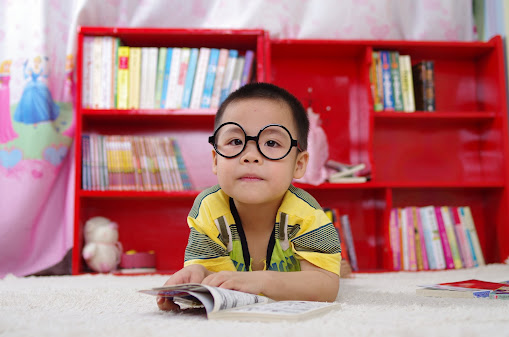
Montessori education emphasizes individualized learning and allows children to explore their interests at their own pace. This approach can be extended to the home environment, enabling parents to adapt the curriculum to their child's unique needs and interests. This might involve setting up a designated reading corner with a wide selection of books or creating art and science stations that allow children to explore their creativity and curiosity.

3. Respect for the Child's Choices and Preferences

In Montessori, children are encouraged to make choices within a prepared environment. This approach is rooted in respect for the child's autonomy and natural inclinations. The home experience can further enhance this respect for children's choices and preferences. Provide a range of activities, materials, and experiences at home and allow their children to select what interests them most.

4. Promoting a Love for Learning

Montessori education places a strong emphasis on cultivating a love for learning. By bringing Montessori principles into the home, parents can create an environment where learning is seen as an enjoyable and integral part of life.

Parents can establish routines that include designated periods for exploration, creativity, and intellectual pursuits.

Incorporating Montessori at home doesn't require a fully equipped Montessori classroom or specialized training. It's about embracing the fundamental principles and adapting them to the home environment. Here are some ways you can provide a prepared environment at home:
  • Provide Open-Ended Materials
  • Encourage Practical Life Skills
  • Observe and Follow the Child
  • Respect Independence
  • Promote a Love for Nature
  • Encourage Communication
Integrating Montessori principles into the home experience offers numerous benefits, from fostering independence and self-reliance to promoting a love for learning and respecting the child's choices and preferences. By creating an environment that aligns with Montessori philosophy, parents can further support their child's development and instill lifelong values that extend beyond the classroom.
Top 4 Examples of the Importance of a Preschool Library Corner

Top 4 Examples of the Importance of a Preschool Library Corner


Preschool is a crucial stage in a child's development, where the foundation for future learning is laid. One of the most effective tools for fostering a love of reading and early literacy skills in Montessori preschool is the creation of a dedicated library corner within the classroom. A well-designed preschool library corner offers a variety of benefits, from enhancing language development to stimulating cognitive growth and cultivating a lifelong love for books.

1. Encouraging a Love for Reading

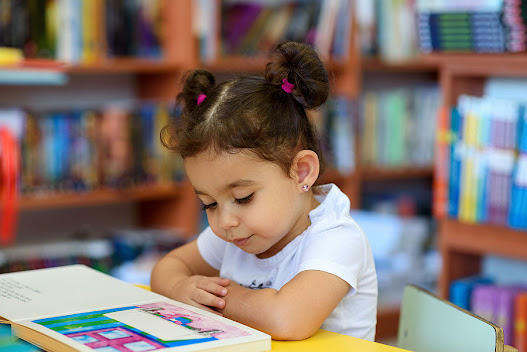
The most significant advantage of a preschool library corner is its ability to encourage a love for reading from a young age. By creating an inviting and cozy space filled with books, children are naturally drawn to explore and engage with them. This early exposure to books and stories fosters a positive attitude toward reading, making it an enjoyable and integral part of their daily routine.

2. Enhancing Language Development

The Montessori preschool years are a critical time for language development. Children in this age group are rapidly expanding their vocabulary and learning how to express themselves. The presence of a library corner in the classroom provides ample opportunities for children to engage with books, whether alone or in groups.

3. Fostering Independence and Decision-Making

A well-organized preschool library corner allows children to choose books independently. The ability to make choices and exercise autonomy is an essential aspect of early childhood development. When preschoolers have the freedom to select books that pique their interest, they develop decision-making skills and a sense of ownership over their reading preferences.

4. Building Social and Emotional Skills

A Montessori library corner is not only a place for solitary reading but also for social interactions. It provides opportunities for group reading sessions, where teachers can read stories to the entire class. Group reading encourages children to listen attentively, share their thoughts, and discuss the content of the book. This communal experience helps build social and emotional skills such as empathy, cooperation, and respect for others' perspectives.

The importance of a preschool library corner cannot be overstated. This dedicated space in the classroom serves as a gateway to a world of knowledge, imagination, and discovery. By fostering a love for reading, enhancing language development, promoting independence and decision-making, and building social and emotional skills, a well-designed library corner plays a crucial role in shaping the academic and personal growth of preschoolers.

It is important to recognize the significance of providing access to books and creating a nurturing environment where children can explore the magic of literature. It is in this cozy corner of the classroom that young minds begin their journey toward a lifelong love of reading and a strong foundation for future success.

Wednesday, August 30, 2023

Why is It Important to Enroll Your Child in Montessori Development?

Why is It Important to Enroll Your Child in Montessori Development?


Choosing the right learning path for your child is a crucial decision that significantly impacts their development. Preschool education stands as a unique and effective approach that nurtures children's holistic growth. Education is not just about acquiring knowledge; it's about shaping a child's character, independence, and a lifelong love for learning. Montessori education offers an approach that resonates with these principles.

Fostering Independence and Self-Discipline

Montessori preschool classrooms empower children to take ownership of their learning journey. The preschool environment is carefully structured to promote independence, where children select activities that resonate with their interests. This approach fosters self-discipline, decision-making skills, and a sense of responsibility.

Hands-On Learning and Experiential Education

Montessori education emphasizes learning through experience. Children engage in hands-on activities that allow them to explore concepts through their senses. This approach not only enhances comprehension but also ignites curiosity and creativity.

Individualized Learning Pathways

In Montessori classrooms, teachers recognize that each child is unique. The curriculum is tailored to cater to individual learning styles and paces. This personalized approach ensures that children are neither held back nor rushed, fostering a sense of competence and confidence.

Focus on Practical Life Skills

Montessori education integrates practical life skills into the curriculum. Children learn everyday tasks like pouring, tying shoelaces, and cleaning, which not only cultivate independence but also develop fine and gross motor skills.

Promoting a Love for Learning

Montessori classrooms create an environment where learning is an enjoyable pursuit, not a chore. Children are encouraged to explore subjects that captivate their interest, sparking a passion for lifelong learning.

Respect for Diversity and Collaboration

Montessori education celebrates diversity and encourages collaboration. Children from various backgrounds learn to respect and appreciate differences, promoting a harmonious and inclusive environment.

Cultivating a Strong Work Ethic

The Montessori approach promotes a strong work ethic by allowing children to set goals and experience the satisfaction of achieving them. This sets the stage for future academic pursuits and professional endeavors.

Enrolling your child in Montessori education offers an array of benefits that extend far beyond traditional learning methods. By fostering independence, providing experiential education, tailoring learning pathways, emphasizing practical life skills, nurturing a love for learning, promoting diversity and collaboration, and cultivating a strong work ethic, Montessori education lays the foundation for well-rounded individuals. This approach not only equips children with academic knowledge but also nurtures essential life skills and values. The decision to enroll your child in Montessori education is an investment in their holistic growth and future success.

Tuesday, June 27, 2023

What are Confidence Building Reading Activities for Preschool Children?

What are Confidence Building Reading Activities for Preschool Children?


Building confidence in reading at a young age is crucial for preschool development. Instilling a love for books and developing strong foundational reading skills can set them up for success in their academic journey. Engaging preschoolers in confidence-building reading activities not only enhance literacy skills but also boosts their self-esteem and enthusiasm for learning.

Shared Reading

Shared reading is a powerful activity that promotes interaction and engagement while building confidence in Montessori preschool readers. Choose age-appropriate books with colorful illustrations and engaging stories. Sit with the child and read the book together, using expressive voices and encouraging them to participate by pointing to pictures, repeating familiar words, or predicting what might happen next.

Letter Hunts

Engage preschoolers in letter hunts to help them develop letter recognition skills and boost their confidence in identifying and naming letters. Create letter cards or use foam letters and hide them around the room or outdoor area. Encourage children to search for the letters and identify them as they find them.

Picture Walks and Story Retelling

Encourage preschoolers to explore books through picture walks and story retelling activities. Before reading a new book, take a "picture walk" by flipping through the pages and discussing the pictures. Ask open-ended questions about what they think the story might be about or what they notice in the illustrations. After reading the book together, encourage children to retell the story using their own words or by using props and puppets.

Sight Word Games

Introduce sight word games to help preschoolers recognize common words by sight, which boosts their confidence in reading. Create flashcards with simple sight words and play games like "Word Match" or "Word Memory." Encourage children to find matching pairs or identify words within a time limit. Celebrate their progress and make the games fun and interactive.

Personalized Reading Journals

Create personalized reading journals for preschoolers, allowing them to document their reading experiences. Provide blank journals or notebooks and encourage children to draw pictures or write about their favorite books or characters. This gives them a sense of ownership over their reading journey and builds confidence as they reflect on their progress and accomplishments.

Confidence-building reading activities are essential for preschool children to develop a love for reading and build a strong foundation in literacy skills. Shared reading, letter hunts, picture walks, story retelling, sight word games, and personalized reading journals all contribute to nurturing their confidence and enthusiasm for reading.
5 Pool Safety Tips Every Preschool Parent Should Know

5 Pool Safety Tips Every Preschool Parent Should Know


As the weather gets warmer, many families look forward to spending time at the pool. However, it's essential for parents of preschoolers to prioritize pool safety to ensure a fun and secure swimming experience. It's a good idea to implement these five important pool safety tips that every preschool parent should know to keep their little ones safe.

1. Supervision is Paramount

Never leave Montessori preschool children unattended near the pool, even for a moment. Designate a responsible adult as the designated "water watcher" who will focus solely on supervising the children in the water. Remember, drowning can happen quickly and silently, so it's important to stay vigilant at all times.

2. Water Safety Rules

Teach your preschooler basic water safety rules from an early age. Explain the importance of not entering the pool without adult supervision, walking instead of running near the pool area, and never pushing or jumping on others in the water. Encourage them to ask for permission before going near the water and emphasize the need to respect pool rules.

3. Enroll in Swim Lessons

Consider enrolling your preschooler in age-appropriate swim lessons. Formal swim lessons can help build their water confidence and teach them basic swimming skills. Look for classes specifically tailored to preschoolers, where instructors focus on water safety, floating, and basic strokes. Keep in mind that swim lessons are not a substitute for adult supervision, so always remain vigilant.

4. Install Pool Barriers

Install a pool fence that is at least four feet high and equipped with a self-closing and self-latching gate. Ensure there are no gaps or openings that a child could squeeze through. Additionally, consider using pool alarms or door alarms that will alert you if a child enters the pool area unattended.

5. Learn CPR and First Aid


Being prepared for emergencies is crucial for pool safety. Take the time to learn CPR and basic first aid techniques. Knowing these lifesaving skills can make a significant difference in case of an accident. Consider taking a certified CPR and first aid course specifically designed for parents or caregivers of young children.

Pool safety is of the utmost importance when it comes to protecting preschoolers around water. By following these five essential pool safety tips, parents can help ensure a safe and enjoyable swimming experience for their little ones. Remember to provide constant supervision, teach water safety rules, consider swim lessons, install pool barriers, and equip yourself with CPR and first aid knowledge.

Sunday, April 30, 2023

4 Educational Advantages for Children in the Montessori Classroom

4 Educational Advantages for Children in the Montessori Classroom


The Montessori method of education is a popular preschool approach that emphasizes independent learning and hands-on experiences. Here are four educational advantages for children in the Montessori classroom.

1. Individualized Learning

Your Montessori preschool emphasizes individualized learning, which means that each child is encouraged to follow their interests and work at their own pace. This approach allows for more personalized attention and support, as well as a greater sense of autonomy and self-motivation. By working on activities that interest them, children are more likely to be engaged and excited about learning, which can lead to longer retention of knowledge.

2. Hands-On Experiences

The Montessori approach emphasizes hands-on experiences, which allow children to learn through exploration and discovery. Montessori schools are filled with a variety of materials and activities that are designed to engage children and promote learning. By manipulating and interacting with these materials, children can develop important skills such as problem-solving, critical thinking, and creativity. Additionally, hands-on experiences can be especially helpful for children who struggle with traditional classroom settings or who have different learning styles.

3. Multi-Age Classrooms

Montessori classrooms are often multi-age, which means that children of different ages and abilities are grouped together. This approach allows for more natural socialization and collaboration, as well as opportunities for older children to mentor and assist younger children. By working with peers of different ages and abilities, children can develop important social skills such as empathy, communication, and leadership.

4. Prepared Environment

The Montessori classroom is designed to be a prepared environment, which means that it is set up to facilitate learning and exploration. Montessori classrooms are typically well-organized and aesthetically pleasing, with a variety of materials and activities that are accessible to children. Additionally, the classroom environment is designed to promote independence and self-directed learning, with designated areas for different types of activities and a consistent daily routine.

The Montessori approach to education offers many educational advantages for children. By emphasizing individualized learning, hands-on experiences, multi-age classrooms, and a prepared environment, Montessori classrooms can help children develop important skills and traits such as independence, creativity, socialization, and a love of learning. If you are considering a Montessori education for your child, it is important to do your research and choose a school that is experienced and committed to the Montessori approach. Additionally, it can be helpful to visit a Montessori classroom and observe the approach in action to determine if it is the right fit for your child.

Friday, March 31, 2023

The Prepared Environment: Why Montessori Works For Challenged Students

The Prepared Environment: Why Montessori Works For Challenged Students


The Montessori approach is designed to support a wide range of learning challenges in preschool and beyond. Keep in mind that the spectrum of these challenges varies widely and what works for one child may not be appropriate for another. With that said, here are some of the learning challenges that Montessori may work with:
    1. Autism Spectrum Disorders (ASD)
    2. Attention Deficit Hyperactivity Disorder (ADHD)
    3. Dyslexia
    4. Sensory Processing Disorder (SPD)
    5. Developmental Delays
    6. Language and Communication Disorders
    7. Social and Emotional Difficulties
    8. Giftedness
    9. Physical and Motor Impairments
    10. Cognitive and Learning Disabilities

The Montessori preschool approach emphasizes individualized learning, allowing each child to work at their own pace and level, which can be particularly helpful for children with learning challenges. The emphasis on hands-on, experiential learning and use of concrete materials can also provide a more engaging and effective learning experience for children with different learning styles and needs. Here are some ways that the Montessori approach can help:

1. Individualized Learning


The Montessori approach emphasizes individualized learning, allowing each child to work at their own pace and level. This can be particularly helpful for children with learning challenges who may need more time or a different approach to master a particular skill.  

2. Sensory Integration

The Montessori environment is designed to engage all of the senses, which can be particularly helpful for children with sensory processing challenges often associated with autism. The use of natural materials and emphasis on hands-on learning can also provide a calming effect for children with ADHD.

3. Order and Structure

The Montessori environment is carefully structured and organized, which can be helpful for children with ADHD who may struggle with impulsivity and lack of structure. The environment also provides clear guidelines and expectations, which can help children with autism who may benefit from clear routines and structure.

4. Collaborative Learning

The Montessori approach emphasizes collaborative learning, allowing children to work together and learn from each other. This can be particularly beneficial for children with autism who may struggle with social interaction and communication.

5. Positive Reinforcement

The Montessori approach emphasizes positive reinforcement and encouragement, which can be particularly helpful for children with learning challenges who may struggle with low self-esteem or motivation.

Overall, the Montessori approach can provide a supportive and engaging learning environment for children with learning challenges such as autism or ADHD. However, it's important to note that while the Montessori approach can be effective for many children with learning challenges, each child is unique and may require individualized support and accommodations to achieve their full potential. Montessori schools may work with families and professionals to create individualized education plans and provide additional support as needed.

Wednesday, March 29, 2023

3 Group Activities that Illustrate The Importance of Cultural Diversity

3 Group Activities that Illustrate The Importance of Cultural Diversity


Cultural diversity is an important aspect of preschool education in a Montessori environment. Not only is it important that children learn to understand and accept diversity, but learning about cultural diversity is an excellent way to incorporate lessons about language, geography, science, and much more.

1. Art and Music

Montessori preschool art projects are a great way to introduce children to different cultural traditions and artistic styles. The children can create art inspired by different cultures, such as Chinese calligraphy or African tribal masks. Similarly, exposing children to music and dance from different cultures can help them to learn about the different ways that people express themselves around the world. The children can learn traditional dances from different cultures and listen to different types of music from around the world.

2. Observing Holidays

Celebrating holidays from different cultures can help children to learn about the different ways that people around the world celebrate important events. This includes national holidays that are designed to encourage diversity as well as calendar events including biannual solstice and equinox observances. The children can learn about different holiday traditions and participate in activities and crafts related to the holiday.

3. Food and Clothing

Introducing Montessori children to different types of food from different cultures can help them to learn about different cultures and appreciate the diversity in the world. The children can try foods from different countries, discuss the flavors and textures, and learn about the cultural significance of the food. The clothes people wear in different regions became the cultural norm because of climate, resource availability, and other factors. Learning about traditional costumes will help children understand how different cultures developed.

These activities can help children appreciate and celebrate diversity and develop a sense of empathy and understanding towards people from different cultural backgrounds. They can also be combined, and used with other activities such as learning to sing a song in a different language, exploring how other languages have influenced English, and more. The human race is extraordinarily diverse, yet we are all individual parts of one human family.

Tuesday, February 28, 2023

4 Aspects of the Prepared Environment Written into the Montessori Method

4 Aspects of the Prepared Environment Written into the Montessori Method


The Montessori method emphasizes creating a prepared environment that fosters preschool children's natural development and supports their learning. A Montessori-style prepared environment is a unique classroom design and one of the telltale signs of an authentic Montessori school. Here are four aspects of the prepared environment in Montessori that illustrate its importance.

1. Order and Structure

The Montessori preschool is carefully structured and organized to promote a sense of order, which is essential for children's development. Materials are arranged in a logical order and placed on shelves within easy reach of the children. This organization helps children learn to take care of their environment, develop their concentration, and focus on tasks.

2. Hands-on Materials

The Montessori environment is rich with hands-on materials that are designed to promote exploration, discovery, and learning. These materials are carefully selected and sequenced to match children's developmental needs, and they are designed to be self-correcting so that children can learn through independent work and experimentation. Learning through nature is another aspect of Montessori that allows children to experience things like life on a farm by raising vegetables or visiting farms.

3. Beauty and Aesthetics

The Montessori environment is also designed to be aesthetically pleasing, with attention paid to the colors, shapes, and textures of materials, as well as the overall ambiance of the classroom. A beautiful environment helps children feel calm, inspired, and motivated to learn. The aesthetics of a prepared environment are especially favorable for some students, including those on the autism spectrum because it offers them a stable, consistent atmosphere to learn in.

4. Mixed-age Groups

Montessori classrooms typically have mixed-age groups, with children spanning a three-year age range. This setup promotes social and emotional development by allowing younger children to learn from older children and vice versa. Mixed-age groups also allow children to work at their own pace and provide all students with opportunities to be class leaders by virtue of being among the oldest children periodically over the course of education.

The prepared environment in Montessori is designed to provide children with a safe, engaging, and nurturing space in which to learn and grow. By providing order, hands-on materials, beauty and aesthetics, and mixed-age groups, the Montessori method aims to support children's natural development and help them reach their full potential.

Tuesday, January 31, 2023

What is the Rationale that Supports a Mixed Age Group in Montessori Preschool?

What is the Rationale that Supports a Mixed Age Group in Montessori Preschool?


One way to recognize a preschool that uses the Montessori Method is to look for a classroom that uses mixed-age groups. This is a built-in feature of Montessori that provides several benefits to children. From individuals learning from more knowledgeable kids to building a strong, family-like community, mixed-age groups make a great deal of sense.
 

Peer-to-Peer Learning

With mixed-ages, Montessori preschool presents children with an opportunity to help each other. In a natural setting, younger children will watch and follow older kids, and that tendency to look up to more experienced children plays a vital role in the classroom. Additionally, when older children are assisting younger ones, the teachers can invest more time into helping children that may need a little more help than others.

No Child Left Behind

A 3-year age bracket also means that children have more time to pick up skills that are giving them a hard time without holding the class back or falling behind the others. But it is much more than that. In traditional schools, the oldest children in the class will always be the oldest and the younger kids will never have the opportunity to be among them. This can be damaging to a child's perception of themselves, and Montessori works around that by using a system in which every child will get older and take a turn as one of the oldest children in the group.

Community Building

Children of differing ages working together teach them the fundamental elements of life in a community. Each child may be a year older or younger, and the group is made of a diverse assortment of individuals. As the youngest children watch, older children display social graces, use advancing vocabularies, and take active roles inside the classroom community. Learning by observing is an effective way of teaching, and children will readily use this method to absorb information from their peers.
 

Mixed-Age VS. Designated Age

Beyond the traditional public school system, all of a child's life will be spent in teams and groups of mixed ages. This is the normal way of the world, and repeats itself in families, companies, and clubs. Montessori prepares children for this phenomenon by treating it-- justifiably, you may think-- as the normal course of events.

Children will never again be grouped by the year they were born, and don't deserve to be divided in that manner in preschool either. If anything, learning to interact with people older and younger than themselves early in their development will be a benefit as the child matures.

5 Big Advantages of Mixed Age Groups in Montessori Preschool

5 Big Advantages of Mixed Age Groups in Montessori Preschool


One of the first things you will notice about a preschool that is based on Montessori is that the children are not the same age. That's because Authentic Montessori uses 3-year age groupings for children, allowing younger and slightly older children to interact throughout the day. Mixed ages offer some excellent benefits for children, including these 5 advantages.

1. Mimic Natural Settings

When Montessori preschool children gather to play in a random setting they tend to form into mixed-age groups. Similarly, in a family setting the older kids are often role models for younger ones. By duplicating this natural social feature, the Montessori Method makes it easier for children to learn from one another socially, physically, and academically.

2. Build Self-Esteem

In traditional education models, all of the children are nearly the same age, and the age differences are static throughout their education. With mixed ages, every child in the class will spend one year as one of the oldest children in the class. This is good for self-esteem and building a sense of value, which in turn encourages every child to play a more active role in the classroom.

3. Peer Role Models

Older children make exceptional role models for younger ones. They have more experience with the world, social structures, and the little kids are hungry to be like the big kids around them. This carries over to all parts of early development, including learning how to use scissors or markers, being exposed to practical experiences, and developing a sense of personal responsibility.

4. Influence of Older Children

There is a lot to be said for allowing children to learn from each other the same way it would happen in a natural environment. Older children are able to demonstrate to younger children how to solve play-based puzzles, and that encourages the little pens to learn and helps the older ones develop the traits necessary to be leaders in any environment.

5. Social and Emotional Skills

Through observation, children learn to stem unwanted social and emotional outbursts. They see that older, more experienced kids approach problems more calmly and work out problems more amicably. Children are a collective effort, learning from teachers and other students, but contributing to the educational process in their own time.

Mixed-age grouping is one of the primary foundations of the Montessori Method. It is beneficial for everyone in the class, and makes it possible for the teachers to focus more individual time on students that may be experiencing difficulty.

Friday, December 30, 2022

Why is Nature Such an Important Part of a Montessori Preschool Curriculum?

Why is Nature Such an Important Part of a Montessori Preschool Curriculum?


Maria Montessori recognized the importance of nature in a well-rounded preschool education. Nature has implications that affect our daily lives, and children thrive when they are given ample time outside. To make sense of the importance of nature in education, here are a few key areas where nature is a big benefit.

Sensory Development

Nature engages all five senses regularly. Birds are chirping, flowers smell pretty, blackberries are sweet, the sky looks blue, and everything has a texture all its own. Getting knees-dirty and hands-deep in nature gives children a front-row seat to the best sensorium in the world: The world itself. From exploring the sound we make walking on different surfaces to discovering the scent of honeysuckle in bloom, nature is important because it has so much to teach. And because nature is engaging for all Montessori preschool children, it makes an excellent medium to work with.


Physical Development

Nature is an excellent place to use pent-up energy, running, and climbing, and bending. Developing physical skills is important in preschool, including fine motor skills like picking up small objects and gross motor skills like skipping. And while it is true that outdoor activities and nature aren't exactly the same, a natural setting is the best classroom.

Nature and Social Responsibilities

Learning to understand and care for the environment begins by getting involved in nature's rhythms, and discovering how everything plays a part in keeping the world healthy and clean. By exploring how vulnerable the local environment is, children discover how easy it is to tackle environmental problems one person at a time until everyone is involved.

Language and Math

Every species of tree is known by a different name, and many times the thing which sets that tree apart is a different number of lobes on a leaf or some other mathematical factor. Delving into the science of nature provides a constant flow of vocabulary and the use of math concepts and operations. Additionally, using concrete examples for math functions makes it easier to grasp concepts and better retention.

From a little time on the playground to hikes through local parks and forests, nature is everywhere you look, and plays a very helpful role in early learning. In Montessori, nature has always held an important place in the prepared environment and teaching structure that engages children by presenting them with educational activities that they enjoy. Every academic or developmental target is a little easier to hit with some help from nature and the world around us.

Monday, October 31, 2022

What Can I Do At Home to Promote Developing Fine Motor Skills?

What Can I Do At Home to Promote Developing Fine Motor Skills?


Preschool is a critical time for childhood development. Children learn skills that are necessary for performance, critical thinking, and future development. But developing those skills occurs during specific growth phases, and is not limited to classroom activities. At home, children can do a number of things to help them develop appropriately, including helping them with fine motor skills.

A Child's Space

The Montessori preschool environment is created around the needs of children. This includes furnishing and decorating from the children's perspective, and providing a similar place at home helps children be more engaged and interested. You do not have to child-size the entire home, but making the child's room-- and perhaps a corner in the family room-- makes them feel more like part of the family. Even more to the point, research has shown that children develop more readily when they feel comfortable in their own spaces.

Touchscreen Technology

The Digital Age is here to stay, and children need to have exposure to the basics of using electronic devices. Tablet-like toys are inexpensive and offer a digital experience for children that requires them to use their fingers and hands to accomplish tasks. In addition to fine motor skills, this type of device also teaches a very wide variety of concepts. From counting and sorting to digitized versions of popular Montessori activities such as the Pink Tower, children's computers use game-like programs to build vocabulary, teach basic math skills, introduce animals and plants, and much, much more.
 

Big Helpers

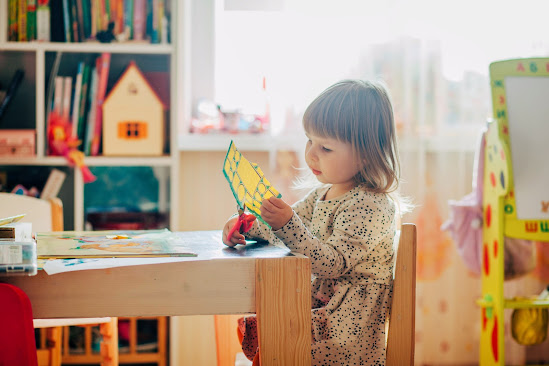
Children want to feel like an important part of the family, and including them in household tasks and projects provides the sense of inclusion they crave. There are no limits to what children can assist you with, from yard work to building birdhouses, and from housework to making delicious meals. Lifting, grasping, measuring, and cutting soft things are all excellent activities for developing fine motor skills. In the process, you will be exposing children to practical life skills that will benefit them for life.

It is critically important for children to develop good fine motor skills between birth and 6 years of age. By kindergarten, your child should be able to grip a pencil correctly, use a pair of children's scissors, and manipulate small objects. These skills are a big part of the Montessori Method, but children need to be practicing them all the time, and the home environment is where most of that development will take place.

Monday, September 26, 2022

5 Ways to Reduce the Stress of Dropping Off Your Preschooler at School

5 Ways to Reduce the Stress of Dropping Off Your Preschooler at School


Since birth, preschool children have spent the majority of their time with a parent or guardian. When they are dropped off at preschool, new and unfamiliar people are added to their daily calendar, and many children react by crying or clinging to their parents. If you are having problems of this sort, try a couple of these methods of reducing stress and promoting a peaceful transfer from one role model to another.

1. Establish a Morning Routine


Montessori preschool children perform better in all aspects of development when they have consistent routines. Morning routines include things like getting dressed, having breakfast, brushing teeth, and preparing a book bag. Following these routines accomplishes several tasks, from encouraging wakefulness to helping children become more organized.

2. An Apple For Teacher


A daily or weekly gift for the teacher gives your child a reason to look forward to arriving at school. It doesn't have to be an apple, and a small bit of artwork is often a better choice. After all, if every child brought an apple a day, the school would be full of apples before the first month was done.

3. Avoid Lingering and Rushing Off


Two common mistakes when dropping children off at school are to either wait around trying to alleviate the stress or rushing away without a proper-- and considerate-- send-off. The best method is to arrive early enough to share some encouraging conversation, then say your farewells and leave the child in competent hands.

4. Create Excitement Before You Arrive


Instilling a sense of excitement and anticipation helps divert a child's attention away from being left alone in a relatively unfamiliar environment. Talk about the way she enjoys doing things with her school friends. Remind her of the fun she has had on previous days. The more her thoughts are centered around the positive aspects of being at school, the less she will rebel against the idea of not having her parents nearby.

5. From One Role Model To Another


For shy children, the best solution to being dropped off may be the actual act of transferring trust from yourself to the school staff. Take your son by the hand and walk him through offering his teacher a morning greeting. His teacher has a busy schedule early in the morning, so make your conversation brief, but be sociable enough that your child understands his teacher is a trusted adult that is on your side and his.

In most situations, the stress of parental separation is a fleeting response. Within a couple of minutes of the parent leaving, those children have found something to interest them, or become engaged with other children in some playful activity. Keeping the stress of being dropped off limited in duration helps them acclimate more quickly, and that benefits everyone involved.

Wednesday, August 31, 2022

5 Most Beneficial Qualities in a Montessori Preschool Teacher

5 Most Beneficial Qualities in a Montessori Preschool Teacher

Not all preschool teachers are the same, and there are some key traits parents can look for in an authentic Montessori classroom. With the exception of group activities, teachers encourage children to go about their own business, choosing activities and moving about seemingly at will. This type of education would quickly turn into chaos, except for the training and personal qualities that define a great Montessori preschool teacher.

1. Montessori Training


In addition to a minimum of 4 years of formal education, Montessori preschool teachers also undergo specific Montessori training. This additional training is important because the role of a Montessori teacher is different than traditional public school teachers. Montessori has an edge over public schools, and the teachers are one of the things that make the difference.

2. Positive Role Model


Montessori teachers demonstrate the kind of behavior they want to instill in children. Great Montessori teachers don't get excited or influenced by manipulative behavior, calmly talk out problems with their students, and portray themselves as considerate, caring role models the children can rely on.

3. Montessori Teachers are Observers


Montessori doesn't use grades to describe how children are performing in class. Instead, the teachers carefully observe children individually, guiding them to new projects and goals based on how they are doing with their current objectives. For those children who display unwanted behavior, observation examines how the situation arose and helps children develop the social skills necessary to avoid future problems of the same sort.

4. Communicates With Children


Montessori teachers do not dictate to children, they communicate with them. From discussing the results of a child's latest artwork to helping another discover why the sky is blue, Montessori teachers are referred to as guides because they observe and communicate what they have seen, guiding children to new subjects, ways to overcome new obstacles, and explaining the intricacies of academic endeavors.


5. Guidance Over Demands


People, including children, have a tendency to resist being demanded to do something. Such demands typically involve rewards and punishments, and that runs contrary to the Montessori Method. Instead, internal motivation is encouraged, guiding children to do the right thing or make the right choice voluntarily, and to approach learning new information enthusiastically. This is a critical difference because they manage the classroom without the threat of punishment or ridicule.

Montessori teachers are a breed apart. Without prejudice or command, they maintain an orderly, engaged classroom where children are busily but quietly going about a host of different tasks, each chosen to some degree by the child herself. Once you have witnessed a Montessori classroom and the peaceful assurance of the teacher you will understand how these qualities provide a better form of teaching.

Friday, July 29, 2022

Considering Infant Care? Here's What You Need to Know

Considering Infant Care? Here's What You Need to Know


Infant care is a necessary part of life for most households, and the type of care ranges from dedicated family members to preschool, but a key trait of all experienced infant care approaches is that they employ some of the fundamental traits of the Montessori Method. With this in mind, the best place to begin looking for infant care may be in authentic Montessori schools themselves.

The Best Time for Enrollment

As soon as you are ready, Montessori preschool is available. Childhood development experts suggest that enrollment before the age of 7 months is best because children enter a phase when they are wary of strangers between 7 months and 1 year. Your kids can still be enrolled during this period, but may not adapt to the Montessori environment as quickly as they would if they were enrolled sooner.

Engagement Without Overload

Children can be overwhelmed with sensory input, leading to reduced performance, or resistance to appropriate behavior. Montessori addresses this phenomenon by limiting the amount of sensory input children experience, specifically by using activities that only impart limited information when it is used. Sensory input does not mean that only one form of development is being addressed, only how much data needs to be absorbed for that particular activity. Children are still working on fine motor skills, language development, and other early skills, a Montessori trait that continues throughout the educational process.
 

Montessori is a Prepared Environment

Montessori infant care facilities begin with lots of open spaces. The rooms and furniture are designed for small bodies, with accessible sleeping areas spaced for easy access by the children. Montessori daycare never uses cribs or playpens because children are expected to sleep or be active as they choose rather than according to arbitrarily assigned times. From hanging artwork at a child's eye level to well-designed developmental activities, everything about the Montessori preschool is about the children themselves.

Developmental Freedom

One of Maria Montessori's early observations was that children need to have the freedom to move if they are going to develop appropriately. To this end, classroom activities are well-spaced, children receive frequent access to an outdoor environment, and every child is allowed to move relatively freely from one activity to another at their own discretion. Far from producing chaos, this freedom of choice creates a quiet, motivating environment where children busily explore their world as they develop important physical, emotional, and mental skills.

There are many types of infant care available, but only authentic Montessori schools use the Montessori Method, prepared environment, and careful observation that have been proven to impart fundamental fine motor skills, social skills, and academic fundamentals such as language, science, and math.

Friday, April 29, 2022

3 Examples of How Lego-Style Blocks Are Excellent Learning Tools for Preschool

3 Examples of How Lego-Style Blocks Are Excellent Learning Tools for Preschool


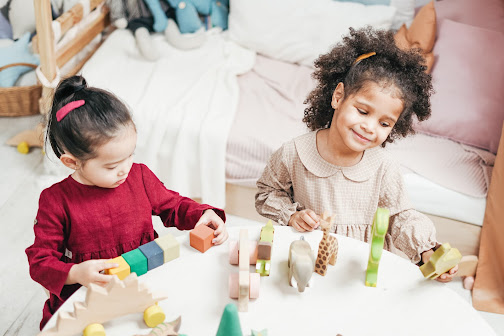
Montessori preschool education includes a wide variety of hands-on, play-based learning. Typically, Montessori activities are made of wood, but Lego-style building blocks still make the muster of excellent learning tools. The blocks excel as a Montessori-styled activity because they can be applied to many facets of early childhood development. Here are a few quick examples of what your child will gain from using them.

1. Developing Fine Motor Skills


Picking up and connecting the pegs of lego-styled building blocks requires Montessori preschool kids to use hand-eye coordination and the bones and muscles of their fingers. Not only is this type of activity engaging and fun, but it also builds crucial fine motor skills. The ability to grasp things and manipulate small objects with the hands and fingers is a developmental milestone and leads to things like holding a pencil and learning to write letters.

2. Learning to Sort and Count

Lego-style blocks are ideal for Montessori students. Sorting and counting activities are built into the blocks, which can be divided into colors, sizes, or shapes. As children gain skills in math, they can use the pegs of blocks to experiment with multiplication, division, and conceptual operations like percentages and fractions. They also teach abstract ideas, engineering skills, and more, all under the guise of an enjoyable play-based activity.

3. Use of Critical Thinking Skills

Building things with interlocking pegged blocks encourages children to plan ahead by applying critical thinking skills and performing problem-solving exercises as they play. Because of their precision and design, the blocks are great for early explorations of engineering and architecture, even allowing kids to work with engineering concepts like arches, a major development in human history.

There are other benefits as well, including helping children build self-esteem, learn to share, and even promote a more robust vocabulary. From infancy through elementary school, lego-styled blocks offer a wide range of educational and developmental lessons. Modern block sets come with the parts needed to build impressive designs, including specialized blocks that offer more versatility and performance for elaborate block creations.

Like plastic model building in days gone by, Lego-styled blocks have become an enjoyable pastime for kids and adults alike. In fact, building with Lego blocks is an excellent way for parents to connect with their kids, collaborating on designs and teaching children to learn through positive role-modeling.

Thursday, December 30, 2021

Is Montessori Preschool a Good Fit for Your Child?

Is Montessori Preschool a Good Fit for Your Child?


Authentic Montessori preschool is a good fit for a wide variety of children, but not every school that bears the name adheres to the Montessori Method. To illustrate what makes Authentic Montessori special, it helps to look at a few of the facets of childhood development that the system is designed to enhance.

The Origins of Montessori


Maria Montessori was one of Italy’s earliest female physicians, and she began developing the Montessori Method in relation to an assignment to educate children with learning disabilities. She opened Casa dei Bambini in 1907, a name that is still used today: The Children’s House.b Focused on the development of all aspects of early childhood, Montessori schools have spread around the world, typically focused on early childhood development.

Hands-On Learning

Montessori uses special learning materials that incorporate movement and choice into other activities. In research, Hands-on activities have been shown to boost learning speed and provide better long-term retention of lessons. And because activity is involved in the learning process, children are also increasing gross and fine motor skills as social skills develop through interaction with other students and teachers.

Multi-Age Classes


The multi-aged classrooms found in authentic Montessori schools were seen as a necessary part of the educational process by Maria Montessori. She saw how the 3-year age spread occurred naturally among children and how it could benefit various aspects of development. These benefits include self-esteem and leadership skills in the oldest children of the class, while younger students are able to learn from the example of their older peers.

Self-Paced and Self-Directed

Through their years in the Montessori environment, your children will learn to choose their own work, correct it, and to essentially take control of their own education in a carefully monitored and guided environment. This encourages the kids to be more proactive in their approach to solving problems, and builds a sense of self=worth as they pursue personal goals.

Montessori education empowers children to learn and interact as they develop physically and mentally. It has been shown to be effective for children at all learning levels, and has special appeal for children possessing certain learning challenges such as autism. Because it adapts to the learning speed and capabilities of the children, it is often a better system than traditional public schools.

Wednesday, August 11, 2021

3 Helpful Tips for Teaching Courage in Preschool

3 Helpful Tips for Teaching Courage in Preschool

preschool

 Children can begin learning about courage as early as preschool. Courage begins with having enough belief in their abilities to make an effort. Learning to continue in spite of fears and apprehensions helps little kids develop self-esteem, fosters critical thinking, and teaches them that being afraid to try something limits their own possibilities in life. These tips illustrate how you can help preschoolers overcome fears and strive for success.

Friday, April 23, 2021