Showing posts with label preschool program. Show all posts

Tuesday, June 27, 2023

What are Confidence Building Reading Activities for Preschool Children?

What are Confidence Building Reading Activities for Preschool Children?


Building confidence in reading at a young age is crucial for preschool development. Instilling a love for books and developing strong foundational reading skills can set them up for success in their academic journey. Engaging preschoolers in confidence-building reading activities not only enhance literacy skills but also boosts their self-esteem and enthusiasm for learning.

Shared Reading

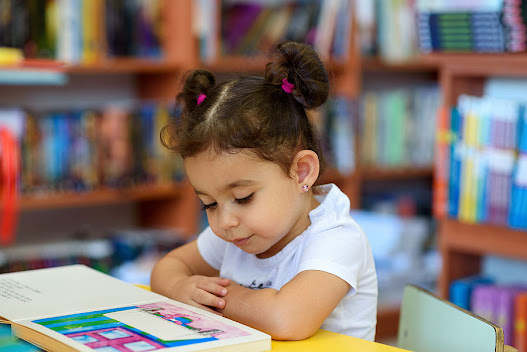
Shared reading is a powerful activity that promotes interaction and engagement while building confidence in Montessori preschool readers. Choose age-appropriate books with colorful illustrations and engaging stories. Sit with the child and read the book together, using expressive voices and encouraging them to participate by pointing to pictures, repeating familiar words, or predicting what might happen next.

Letter Hunts

Engage preschoolers in letter hunts to help them develop letter recognition skills and boost their confidence in identifying and naming letters. Create letter cards or use foam letters and hide them around the room or outdoor area. Encourage children to search for the letters and identify them as they find them.

Picture Walks and Story Retelling

Encourage preschoolers to explore books through picture walks and story retelling activities. Before reading a new book, take a "picture walk" by flipping through the pages and discussing the pictures. Ask open-ended questions about what they think the story might be about or what they notice in the illustrations. After reading the book together, encourage children to retell the story using their own words or by using props and puppets.

Sight Word Games

Introduce sight word games to help preschoolers recognize common words by sight, which boosts their confidence in reading. Create flashcards with simple sight words and play games like "Word Match" or "Word Memory." Encourage children to find matching pairs or identify words within a time limit. Celebrate their progress and make the games fun and interactive.

Personalized Reading Journals

Create personalized reading journals for preschoolers, allowing them to document their reading experiences. Provide blank journals or notebooks and encourage children to draw pictures or write about their favorite books or characters. This gives them a sense of ownership over their reading journey and builds confidence as they reflect on their progress and accomplishments.

Confidence-building reading activities are essential for preschool children to develop a love for reading and build a strong foundation in literacy skills. Shared reading, letter hunts, picture walks, story retelling, sight word games, and personalized reading journals all contribute to nurturing their confidence and enthusiasm for reading.
5 Pool Safety Tips Every Preschool Parent Should Know

5 Pool Safety Tips Every Preschool Parent Should Know


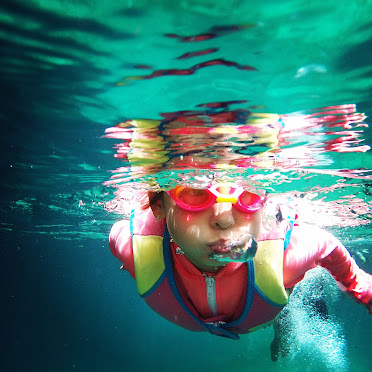
As the weather gets warmer, many families look forward to spending time at the pool. However, it's essential for parents of preschoolers to prioritize pool safety to ensure a fun and secure swimming experience. It's a good idea to implement these five important pool safety tips that every preschool parent should know to keep their little ones safe.

1. Supervision is Paramount

Never leave Montessori preschool children unattended near the pool, even for a moment. Designate a responsible adult as the designated "water watcher" who will focus solely on supervising the children in the water. Remember, drowning can happen quickly and silently, so it's important to stay vigilant at all times.

2. Water Safety Rules

Teach your preschooler basic water safety rules from an early age. Explain the importance of not entering the pool without adult supervision, walking instead of running near the pool area, and never pushing or jumping on others in the water. Encourage them to ask for permission before going near the water and emphasize the need to respect pool rules.

3. Enroll in Swim Lessons

Consider enrolling your preschooler in age-appropriate swim lessons. Formal swim lessons can help build their water confidence and teach them basic swimming skills. Look for classes specifically tailored to preschoolers, where instructors focus on water safety, floating, and basic strokes. Keep in mind that swim lessons are not a substitute for adult supervision, so always remain vigilant.

4. Install Pool Barriers

Install a pool fence that is at least four feet high and equipped with a self-closing and self-latching gate. Ensure there are no gaps or openings that a child could squeeze through. Additionally, consider using pool alarms or door alarms that will alert you if a child enters the pool area unattended.

5. Learn CPR and First Aid


Being prepared for emergencies is crucial for pool safety. Take the time to learn CPR and basic first aid techniques. Knowing these lifesaving skills can make a significant difference in case of an accident. Consider taking a certified CPR and first aid course specifically designed for parents or caregivers of young children.

Pool safety is of the utmost importance when it comes to protecting preschoolers around water. By following these five essential pool safety tips, parents can help ensure a safe and enjoyable swimming experience for their little ones. Remember to provide constant supervision, teach water safety rules, consider swim lessons, install pool barriers, and equip yourself with CPR and first aid knowledge.

Tuesday, September 19, 2017

Teaching your Preschooler Great Dental Habits

Teaching your Preschooler Great Dental Habits

Good dental habits are important for both children and adults, and helping your preschooler establish a routine early on can make a huge difference in their oral health for the rest of their lives. Often kids resist simple hygiene efforts such as brushing their teeth, so how can you set your child on the right path? Here are a few tips for creating lifelong dental habits.


Start Early

The key to lasting habits is starting as early as possible. Even before your baby's first tooth appears, you can gently clean his gums with a soft cloth or a piece of soft gauze. Once the first tooth appears, generally around six months, you can start brushing with a small, soft toothbrush and non-fluoride toothpaste.

Speaking of the first tooth appearing, this is also a great time to take your child to the dentist for the first time. Many children are anxious about visiting the dentist, so starting before your child's first birthday can help get him used to it early.


Make It Fun

As your child gets a little older, finding ways to make dental care fun can go a long way toward helping to create lasting habits. Themed toothbrushes, flavored toothpastes, and fun handheld flossers can all help, and you can also create rituals of brushing your teeth together with your child. Be creative and think of some fun games to play, such as seeing who can spit closest to the drain.


Reward Good Habits

It's important to also reinforce good habits with praise and rewards. One way is to have your child show you their clean teeth so that you can tell them they've done a good job. If you want more of a reward system in place, create a chart to hang on the bathroom wall and dole out stickers or gold stars for brushing and flossing on a regular schedule.


Encourage Age-Appropriate Independence

Of course, one of the hallmarks of the Montessori method is encouraging independence in children, so we'd be remiss if we didn't mention how you can encourage children to manage their own dental care. Many preschoolers love to attempt to brush their own teeth, even if you have to finish up the job. Set a timer or buy a lighted toothbrush to help kids know how long they need to brush. Electric toothbrushes and handheld flossers can make the job easier as well. Once kids get old enough to spit, they can graduate to fluoride toothpaste.


How Montessori Teaches Good Habits


Because the Montessori method values children's independence and promotes self-directed behaviors, it provides an excellent framework for learning all kinds of habits, including dental habits. The Montessori School of Flagstaff Sunnyside Campus works with students to encourage hands-on learning, including those skills that are learned both at home and at school.  For more information on our program, please contact us today for a tour of our school.