Showing posts with label kindergarten. Show all posts

Wednesday, August 30, 2023

How Parents Can Role Model As a Behavior Strategy for Their Children

How Parents Can Role Model As a Behavior Strategy for Their Children


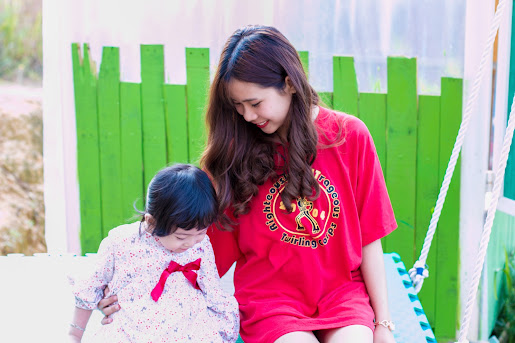
Parents play a pivotal role in shaping their kindergarten children's behavior and character. Beyond verbal instructions, children often learn through observation and imitation. When parents model positive behavior, they create a strong foundation for their children's development. Today we will look at how parents can effectively serve as role models to shape their children's behavior, fostering values, empathy, and social skills that will serve them well into adulthood.

Demonstrating Respect and Empathy

Parents who exhibit respect and empathy toward others model compassion and consideration. Children learn the importance of valuing diverse perspectives, showing kindness, and being empathetic listeners. By observing their parents' interactions, Montessori kindergarten children grasp the significance of treating others with dignity and respect.

Conflict Resolution

Parents often encounter conflicts, and how they navigate them greatly influences their children. When parents resolve conflicts through open communication, active listening, and compromise, children learn constructive ways to manage disagreements. Witnessing parents handle conflicts teaches children that conflicts are natural and can be resolved without aggression.

Handling Stress and Resilience

Life brings challenges, and parents who manage stress and adversity constructively model resilience. Children observe how their parents cope with setbacks, showing them that setbacks are part of life and can be overcome with determination and a positive outlook. This teaches positive stress management and self-control.

Mindful Technology Use

In today's digital age, parents can demonstrate healthy technology habits. Setting boundaries on screen time, prioritizing face-to-face interactions, and engaging in screen-free activities helps parents teach children the importance of balancing online and offline life. Technology is important for today's children, but it is essential that they learn to control its influence over them.

Civic Responsibility

Parents who engage in community service or advocate for social causes teach children the value of civic responsibility. Parents become role models for active participation and show that contributing to society can be rewarding. In Montessori education, this is a crucial part of learning to be tomorrow's successful leaders.

Healthy Lifestyle Choices

Parents who prioritize health through balanced diets and regular exercise instill valuable habits. Children are more likely to adopt healthy lifestyles when they see their parents making nutritious food choices and staying active.

Parents wield immense influence in shaping their children's behavior. By being mindful of their actions, parents create an environment where positive behavior is not just taught but ingrained. Children raised by role models who exemplify these qualities are better equipped to navigate the complexities of life with integrity, empathy, and resilience.
Thursday, July 27, 2023

4 Time-Proven Tips for Developing a Successful Kindergartner

4 Time-Proven Tips for Developing a Successful Kindergartner


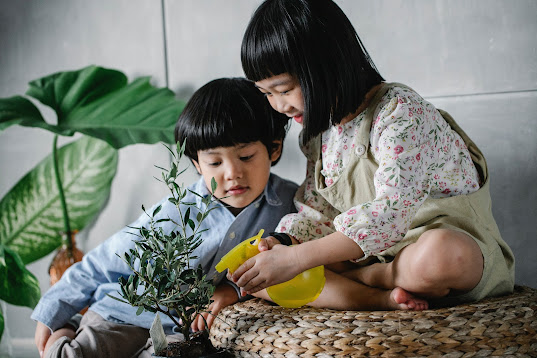
Private kindergarten is a critical time in a child's development, setting the foundation for their academic journey and fostering essential life skills. As parents and educators, we play a crucial role in nurturing and supporting our kindergartners to become successful learners and individuals. Let's look at four time-tested tips that contribute to the development of successful kindergartners, fostering a love for learning and preparing them for future academic achievements.

1. Encourage a Love for Reading

Instilling a love for reading is one of the most significant gifts we can offer our kindergartners. Surround them with age-appropriate books and read together regularly. Make reading an enjoyable and engaging experience, by using expressive voices and asking questions about the story. As Montessori kindergarten students develop a love for reading, they strengthen their language and communication skills while developing a habit of exploring the world through literature.

2. Promote a Growth Mindset

Encourage a growth mindset in your kindergartner by praising effort, perseverance, and the willingness to learn. Emphasize that mistakes are an essential part of the learning process and that intelligence can be developed through dedication and hard work. By nurturing a growth mindset, children become more resilient, confident in their abilities, and open to taking on new challenges in their academic and personal lives.

3. Create a Prepared Environment

Establish daily routines that provide predictability and stability, as these help children feel secure and ready to learn. Set up a designated study area at home with all the necessary supplies, fostering a sense of responsibility and organization. Be actively involved in your child's education, showing interest in their schoolwork and offering support whenever needed.

4. Social and Emotional Development

Academic success is closely intertwined with social and emotional development. Encourage your kindergartner to engage in age-appropriate social interactions, teaching them the value of empathy, cooperation, and conflict resolution. Help them identify and express their feelings effectively, fostering emotional intelligence. A child who feels emotionally supported is more likely to be engaged in their studies and exhibit positive behaviors in the classroom and beyond.

Developing a successful kindergartner is a rewarding journey that requires dedication, patience, and a nurturing environment. By encouraging a love for reading, promoting a growth mindset, creating a structured and supportive environment, and emphasizing social and emotional development, we lay the groundwork for a successful academic future. These well-established tips not only foster essential skills and knowledge but also nurture the joy of learning, curiosity, and self-confidence in our kindergartners.

Tuesday, November 29, 2022

Teaching Kindergarteners About the Benefits of Giving Back During Holidays

Teaching Kindergarteners About the Benefits of Giving Back During Holidays


Giving helps kindergarten children feel good about themselves and those around them. During the holidays, the bustling activity and exciting festivities are perfect opportunities to practice grace and courtesy by taking the time to give a little more of themselves to others.

Random Acts of Kindness

We are all familiar with the warm feeling we get when we do something to help another person. For Montessori kindergarten children, offering to help other people-- including picking up an item someone dropped, offering to help carry packages, etc-- will give them that great emotional boost. Whatever the kind act may be, giving without asking builds self-esteem and earns respect.

Household Helpers

Young kids like to feel like they are a functioning part of the family, and helping with various tasks during the busy holiday season is a great way to include them in family life. Helping with measuring, pouring, and stirring in the kitchen is both helpful and educational. There are a lot of things going on during the holidays and children will appreciate the opportunity to be big helpers.

The Gift of Gratitude

Being grateful for what we have is what the holidays are all about, and the season is perfect for children to discover the power of gratefulness-- both by receiving it when they do well and giving it when others are nice to them. Social skills are an important social development, and developing those skills requires plenty of practice interacting with people who can offer guidance and acknowledge success.

Time is a Precious Gift

For everyone involved, spending time with loving friends and relatives is the most precious thing we can offer. Small children have the benefit of getting to know family members they don't see very often and learning about their family's culture and traditions by being invited to take part in activities like singing carols, decorating the home, and more.

Acknowledge Efforts

Remember that gratitude goes both ways, and children thrive from having their efforts praised. Make allowance for mistakes by offering positive encouragement rather than criticism. The holiday season is a time for giving, and kindness is a priceless gift to give.

A lot of what children know about social behavior comes from what they observe in others. Parents and teachers should keep in mind that they are always being scrutinized for clues about behavior and actions, and provide a suitable role model. Try to avoid becoming irate, and remember to observe the social graces whenever your children are with you.