Tuesday, June 27, 2023

4 Interactive Outdoor Activities that Bolster Self-Esteem in Middle School Students

4 Interactive Outdoor Activities that Bolster Self-Esteem in Middle School Students


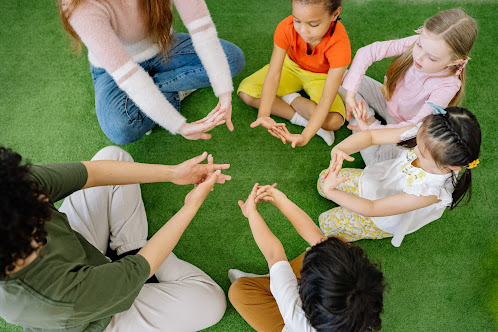
Middle school can be a critical time for developing self-esteem in students. Engaging in interactive outdoor activities not only promotes physical health but also plays a significant role in boosting self-esteem and fostering positive self-perception. By participating in activities that encourage teamwork, personal growth, and skill-building, middle school students will develop a sense of accomplishment and gain confidence in their abilities.

1. Adventure Courses and Ropes Courses


Adventure courses and ropes courses provide students with opportunities to face challenges, overcome obstacles, and conquer fears. These courses often involve physical elements such as climbing walls, zip lines, and high ropes. By engaging in these activities, Montessori middle school students can build resilience, improve problem-solving skills, and experience personal triumph.

2. Team-Building Games and Challenges


Participating in team-building games and challenges outdoors fosters collaboration and promotes a sense of belonging among middle school students. Activities like scavenger hunts, relay races, and cooperative problem-solving tasks encourage students to work together, communicate effectively, and support one another. The shared experiences and successful outcomes in these activities contribute to a positive sense of self and enhance students' belief in their abilities to contribute to a team.

3. Outdoor Sports and Physical Activities


Engaging in outdoor sports and physical activities helps middle school students develop physical skills, improve fitness levels, and boost self-esteem. Whether it's playing soccer or basketball, or engaging in activities like hiking or biking, students can experience a sense of achievement as they enhance their athletic abilities. Physical activities also provide opportunities for students to set personal goals, track their progress, and celebrate milestones, further strengthening their self-esteem.

4. Environmental and Community Projects


Participating in environmental and community service projects empowers middle school students to make a positive impact on their surroundings and develop a sense of purpose and accomplishment. Activities like planting trees, cleaning up local parks, or volunteering at community organizations provide students with a tangible sense of contributing to something meaningful.

Interactive outdoor activities play a vital role in bolstering self-esteem in middle school students. Adventure courses and ropes courses challenge students to overcome obstacles, while team-building games promote collaboration and a sense of belonging. Engaging in outdoor sports and physical activities helps students develop physical skills and celebrate personal achievements. Lastly, participating in environmental and community service projects empowers students to make a positive impact on their surroundings.
What are Confidence Building Reading Activities for Preschool Children?

What are Confidence Building Reading Activities for Preschool Children?


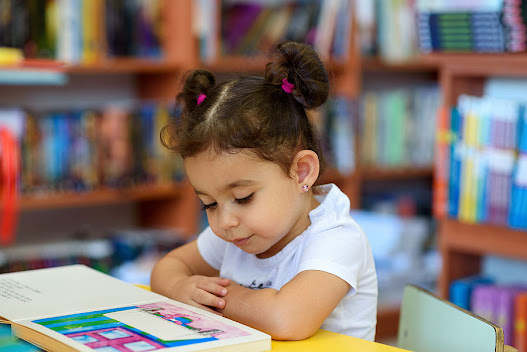
Building confidence in reading at a young age is crucial for preschool development. Instilling a love for books and developing strong foundational reading skills can set them up for success in their academic journey. Engaging preschoolers in confidence-building reading activities not only enhance literacy skills but also boosts their self-esteem and enthusiasm for learning.

Shared Reading

Shared reading is a powerful activity that promotes interaction and engagement while building confidence in Montessori preschool readers. Choose age-appropriate books with colorful illustrations and engaging stories. Sit with the child and read the book together, using expressive voices and encouraging them to participate by pointing to pictures, repeating familiar words, or predicting what might happen next.

Letter Hunts

Engage preschoolers in letter hunts to help them develop letter recognition skills and boost their confidence in identifying and naming letters. Create letter cards or use foam letters and hide them around the room or outdoor area. Encourage children to search for the letters and identify them as they find them.

Picture Walks and Story Retelling

Encourage preschoolers to explore books through picture walks and story retelling activities. Before reading a new book, take a "picture walk" by flipping through the pages and discussing the pictures. Ask open-ended questions about what they think the story might be about or what they notice in the illustrations. After reading the book together, encourage children to retell the story using their own words or by using props and puppets.

Sight Word Games

Introduce sight word games to help preschoolers recognize common words by sight, which boosts their confidence in reading. Create flashcards with simple sight words and play games like "Word Match" or "Word Memory." Encourage children to find matching pairs or identify words within a time limit. Celebrate their progress and make the games fun and interactive.

Personalized Reading Journals

Create personalized reading journals for preschoolers, allowing them to document their reading experiences. Provide blank journals or notebooks and encourage children to draw pictures or write about their favorite books or characters. This gives them a sense of ownership over their reading journey and builds confidence as they reflect on their progress and accomplishments.

Confidence-building reading activities are essential for preschool children to develop a love for reading and build a strong foundation in literacy skills. Shared reading, letter hunts, picture walks, story retelling, sight word games, and personalized reading journals all contribute to nurturing their confidence and enthusiasm for reading.
5 Pool Safety Tips Every Preschool Parent Should Know

5 Pool Safety Tips Every Preschool Parent Should Know


As the weather gets warmer, many families look forward to spending time at the pool. However, it's essential for parents of preschoolers to prioritize pool safety to ensure a fun and secure swimming experience. It's a good idea to implement these five important pool safety tips that every preschool parent should know to keep their little ones safe.

1. Supervision is Paramount

Never leave Montessori preschool children unattended near the pool, even for a moment. Designate a responsible adult as the designated "water watcher" who will focus solely on supervising the children in the water. Remember, drowning can happen quickly and silently, so it's important to stay vigilant at all times.

2. Water Safety Rules

Teach your preschooler basic water safety rules from an early age. Explain the importance of not entering the pool without adult supervision, walking instead of running near the pool area, and never pushing or jumping on others in the water. Encourage them to ask for permission before going near the water and emphasize the need to respect pool rules.

3. Enroll in Swim Lessons

Consider enrolling your preschooler in age-appropriate swim lessons. Formal swim lessons can help build their water confidence and teach them basic swimming skills. Look for classes specifically tailored to preschoolers, where instructors focus on water safety, floating, and basic strokes. Keep in mind that swim lessons are not a substitute for adult supervision, so always remain vigilant.

4. Install Pool Barriers

Install a pool fence that is at least four feet high and equipped with a self-closing and self-latching gate. Ensure there are no gaps or openings that a child could squeeze through. Additionally, consider using pool alarms or door alarms that will alert you if a child enters the pool area unattended.

5. Learn CPR and First Aid


Being prepared for emergencies is crucial for pool safety. Take the time to learn CPR and basic first aid techniques. Knowing these lifesaving skills can make a significant difference in case of an accident. Consider taking a certified CPR and first aid course specifically designed for parents or caregivers of young children.

Pool safety is of the utmost importance when it comes to protecting preschoolers around water. By following these five essential pool safety tips, parents can help ensure a safe and enjoyable swimming experience for their little ones. Remember to provide constant supervision, teach water safety rules, consider swim lessons, install pool barriers, and equip yourself with CPR and first aid knowledge.

Wednesday, May 31, 2023

The Advantages of Hands-On, Play-Based Learning in Early Childhood Development

The Advantages of Hands-On, Play-Based Learning in Early Childhood Development


Active learning through hands-on experiences is a powerful approach to daycare development. It involves engaging children in interactive and tangible activities that promote exploration and discovery. This article explores the advantages of hands-on learning, highlighting how it enhances cognitive, social, and emotional development in young children.

Cognitive Development

Hands-on learning stimulates cognitive development in early childhood. When Montessori daycare children actively participate in sensory-rich activities, such as building blocks or manipulating objects, they engage multiple senses, fostering neural connections and enhancing cognitive abilities. Hands-on experiences promote problem-solving skills, critical thinking, and spatial awareness. By exploring and manipulating materials, children develop their understanding of cause and effect, patterns, and logical reasoning.

Social and Emotional Growth

Hands-on learning nurtures social and emotional growth in young children. Collaborative activities, such as building structures or engaging in dramatic play, encourage cooperation, communication, and teamwork. Children learn to share materials, take turns, and negotiate with their peers. Through hands-on experiences, children also express their emotions and develop self-regulation skills. They learn to manage frustration, persevere through challenges, and experience a sense of accomplishment.

Engagement and Retention

Hands-on learning captivates children's attention and promotes active engagement in the learning process. By involving multiple senses, such as touch, sight, and hearing, hands-on activities create a rich and multisensory experience. This active engagement enhances children's focus, motivation, and curiosity. When children actively participate in their learning, they retain information more effectively. Hands-on experiences provide tangible and concrete learning opportunities that deepen understanding and memory retention.

Creativity and Problem-Solving

Hands-on learning nurtures creativity and problem-solving skills in early childhood. When children are given open-ended materials and opportunities to explore, they can unleash their imagination and inventiveness. Hands-on activities foster divergent thinking, encouraging children to generate multiple solutions to challenges. By experimenting and making discoveries through hands-on experiences, children develop a growth mindset and become resilient problem solvers.

Hands-on learning in early childhood development offers numerous advantages, including enhanced cognitive development, social and emotional growth, active engagement, and the cultivation of creativity and problem-solving skills. By providing meaningful and interactive experiences, hands-on learning promotes holistic development and instills a lifelong love for learning. Embracing hands-on approaches in early childhood education sets the stage for well-rounded and enthusiastic learners.

Wednesday, May 24, 2023

How to Recognize the Best Residential Laundry Service for You

How to Recognize the Best Residential Laundry Service for You


Are you considering changing the way you do laundry? According to recently published data, more Americans than ever have outsourced doing laundry to one of the residential laundry services operating in their communities. Outsourcing laundry to a business specializing in providing residential laundry services makes sense for several reasons.

One of the most commonly cited reasons for households using residential laundry services is it frees up more time to complete other household chores. Even better, the convenience of not having to do laundry allows you to pursue a hobby or simply kick back and read a good book or watch a favorite television show. Residential laundry services also deliver high-quality customer service, as well as clothes that look, smell, and feel fresh.

With many residential laundry services to choose from, how do you recognize the best residential laundry service for you?

Positive Customer Reviews

Reading the reviews left by customers on Yelp and Google should provide you with insight into the reputation of a residential laundry service. Pay close attention to reviews that describe the quality of laundered clothes, as well as whether a residential laundry service offers discounts on two or more services. For example, you might read several reviews that praise a residential laundry service by offering a discount for pairing a dry cleaning order with a request to wash and dry a few household items such as rugs and curtains.

Offers Laundry Pick Up Service and Delivery

Residential laundry services save you time by removing the household chore from your to-do list. However, a business that offers laundry pick-up service and delivery takes convenience to the next level. Instead of driving to and from a residential laundry service, the business comes to you by following pick-up and delivery instructions, such as where to find your laundry for pick-up and where to leave it for delivery. You can save even more time if a residential laundry service offers a wash-and-fold feature that returns your clothes ready for immediate storage.

Test Drive for Quality

You can read dozens of customer reviews and discover a residential laundry service offers many features such as laundry pick-up service, and still not come away convinced that you have chosen the best business. The only way to determine whether a residential laundry service meets your high expectations is to try the business out with a couple of wash-and-dry laundry orders. Your clothes should arrive at home looking like they did on the day when you bought them. They also should smell fresh and appear wrinkle-free.

If you give a residential laundry service a try three times, and each time you receive the highest quality of laundry, then you have found the right business to meet your laundry needs.

Accepts Special Requests

Even in the highly competitive laundry industry, many businesses do not accept special requests, or if they do accept special requests, they limit the special requests to standard ones such as do not mix whites with colors. You should recognize the best residential laundry service if it accepts special requests such as using a specific type of fabric softener or putting certain types of clothes through the hang-drying process.

Recognizing the best residential laundry service requires a bit of patience. You cannot expect to find the best business for your laundry unless you take the time required to conduct research.